Industry News
Stay informed on the latest developments in the vacation rental and short-term rental industry. This category provides vacation rental managers and short-term rental managers with news on industry growth, trends, events, and insights into the future of short-term rental property management. From major updates across European markets to professional insights into industry shifts, explore the news shaping the landscape of vacation rentals.

Montgomery County Routes Licence Checks Through Platforms, England Sets a Register Date, Shinjuku Ward Proposes Zonal Limits
Montgomery County, Maryland introduced Bill 42-26 on September 15, requiring booking platforms to confirm a valid county licence before publishing a listing and barring them from processing payments for unlicensed rentals. In England, Culture Secretary Lisa Nandy confirmed that the national register of short-term and holiday lets will be fully operational by March 2027, ending a period without a published timetable. In Tokyo, Shinjuku Ward set out a policy on September 7 to prohibit private lodging in residential-only and school zones, a restriction that would reach existing operators after a grace period. The three moves sit at different points in the compliance chain: the payment rail, the national data layer, and the zoning map.
Céline Dion at Plenitude Arena and Pope Leo XIV in Paris: What the Airbnb Data Actually Shows
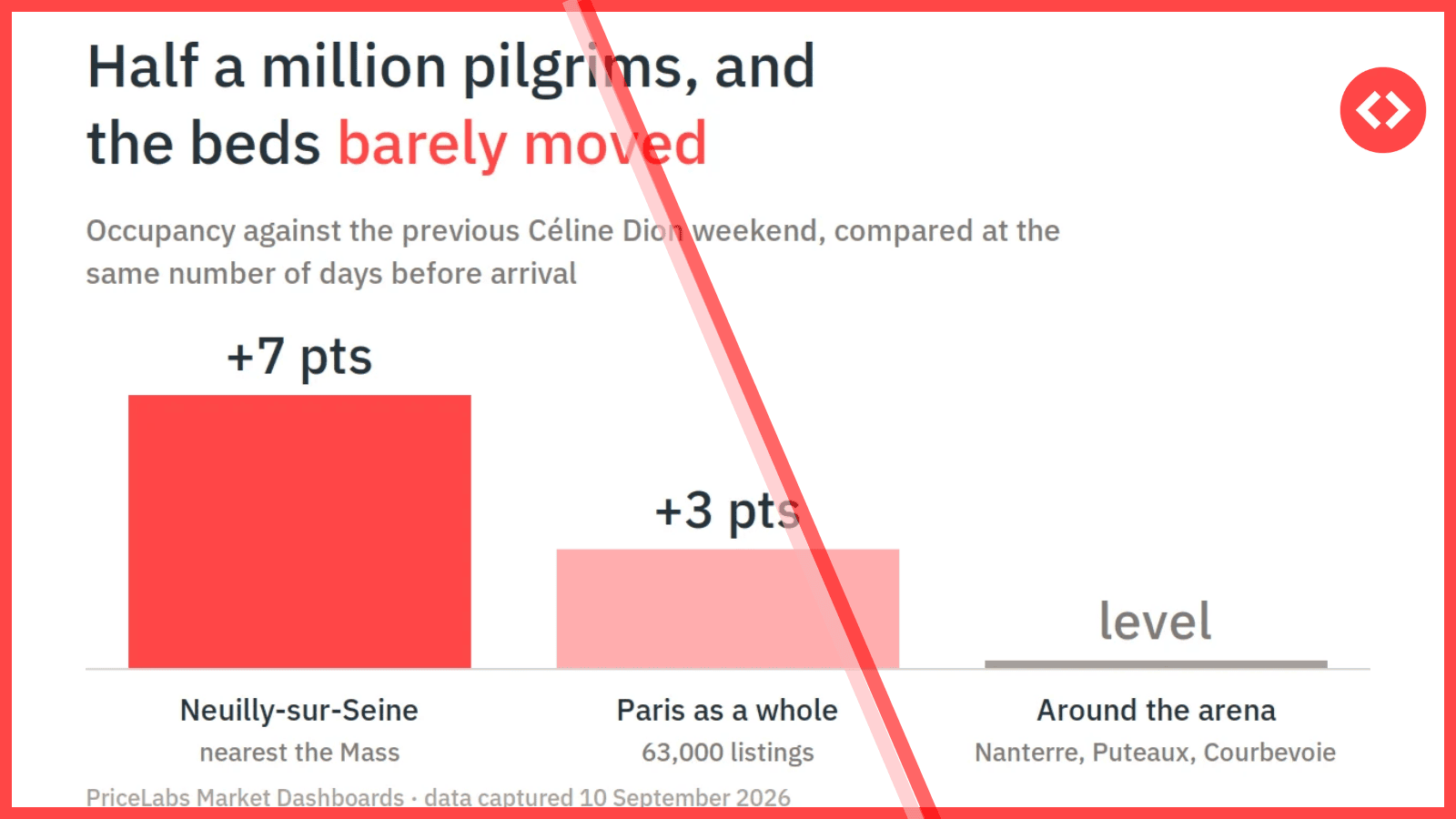
TL;DR: Céline Dion's residency at the Plenitude Arena in Nanterre (Paris La Défense Arena until this summer) overlaps with Pope Leo XIV's visit to Paris on 25 and 26 September. In the short-term rental data, her 30,000 a night leave the broad footprint, and his half a million leave one in a single town.
DMA Fallout: Google Removes Vacation Rentals from Search in Europe, and So Far Only the Aggregators Are Smiling
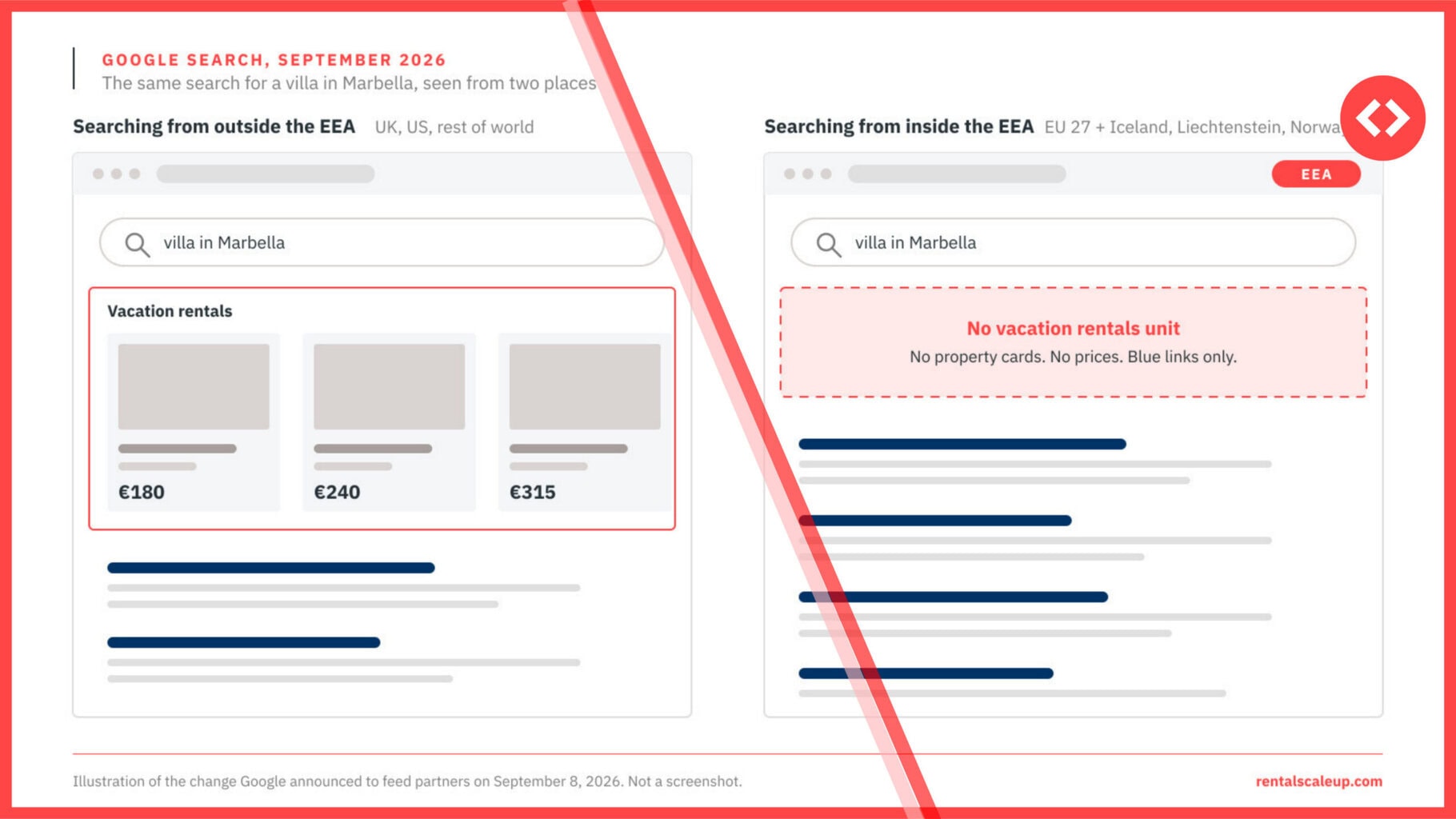
Google is deleting its free vacation rentals search unit in the European Economic Area to comply with a €460 million antitrust fine, while protecting its monetized hotel ads. Comparison aggregators like HomeToGo are celebrating the removal as a regulatory victory. For independent property managers, the result is an immediate distribution squeeze. If your guests search from inside Europe, your only free direct booking channel just vanished, abandoning you to high-commission platforms.

Rowlett Automates Hotel Tax Enforcement, Poland’s Building-Level Ban Clears Cabinet, Western Australia Issues Its First Fine
Airbnb and Vrbo do not collect hotel tax in Rowlett, Texas, and the city has hired a vendor to check whether operators file it themselves. Poland's cabinet approved a bill letting housing associations vote short-term rentals out of their buildings, though it is not law and the president has not said whether he will sign. Western Australia issued its first fine under its registration act: $2,000 for a missing number in an advertisement.

EU Affordable Housing Act: What the Leaked Draft Means for Short-Term Rental Managers
Key takeaways for property managers - Your rental rules do not change today. This is a draft, not an adopted law. It does not introduce an immediate Europe-wide rental limit or automatically cancel existing local restrictions. - Even an owner with just one rental could be affected. The key distinction is whether the property is the host’s main home or a separate rental property—not simply whether they employ a professional manager. - Authorities would need to explain and support their restrictions. That could give managers clearer grounds to challenge excessive rules. It could also help authorities defend restrictions that meet the proposed conditions.

Pennsylvania Advances Caps, Italy Enforces New Tax Rules, Ventura Hikes Fees and Caps Permits
TL;DR: In Pennsylvania, local municipalities like Kennett Square are proactively passing strict short-term rental caps while state-wide regulations remain debated in committee. In Europe, Italy is advancing its National Identification Code (CIN) mandate and now legally classifies anyone operating three or more short-term rentals as an entrepreneur requiring a VAT number. In California, Ventura finalized an overhauled ordinance that raises its permit fee by 648% and caps most owners at two permits citywide. Together, the three moves point to the same trend: compliance costs are rising and the loopholes that let casual operators scale are closing.
Vrbo Members Only Deals Threaten Host Payouts with Automatic Discounts: September 10 Deadline to Opt Out
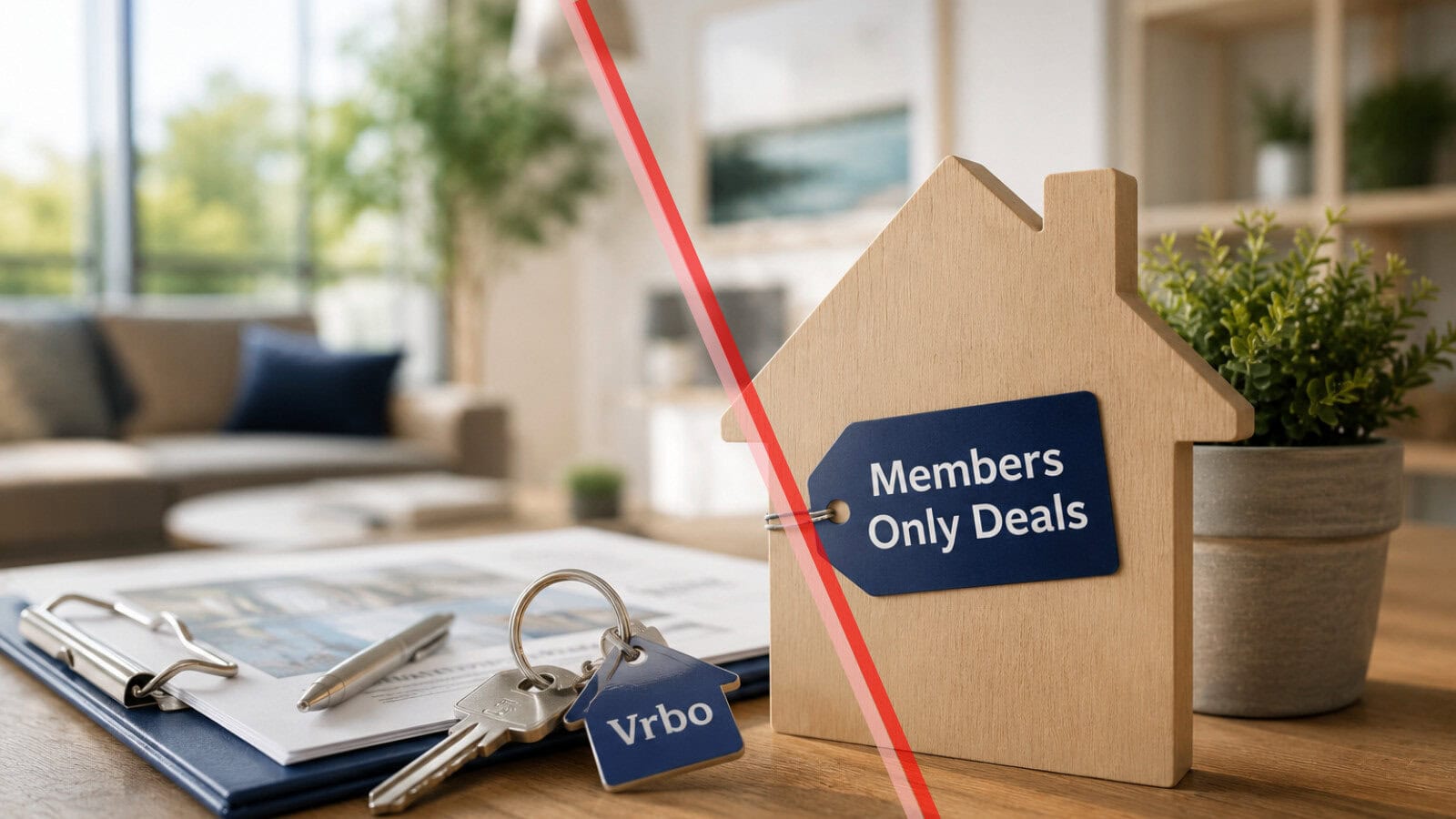
TL;DR: Vrbo is applying Members Only Deals automatically from September 18, 2026, at 12% for Blue tier, 15% for Silver and 20% for Gold and Platinum. Hosts fund the discounts and must opt out by September 10 through an emailed link. An Expedia Group page confirms the terms, including that the discounts stack on top of existing weekly and monthly discounts.
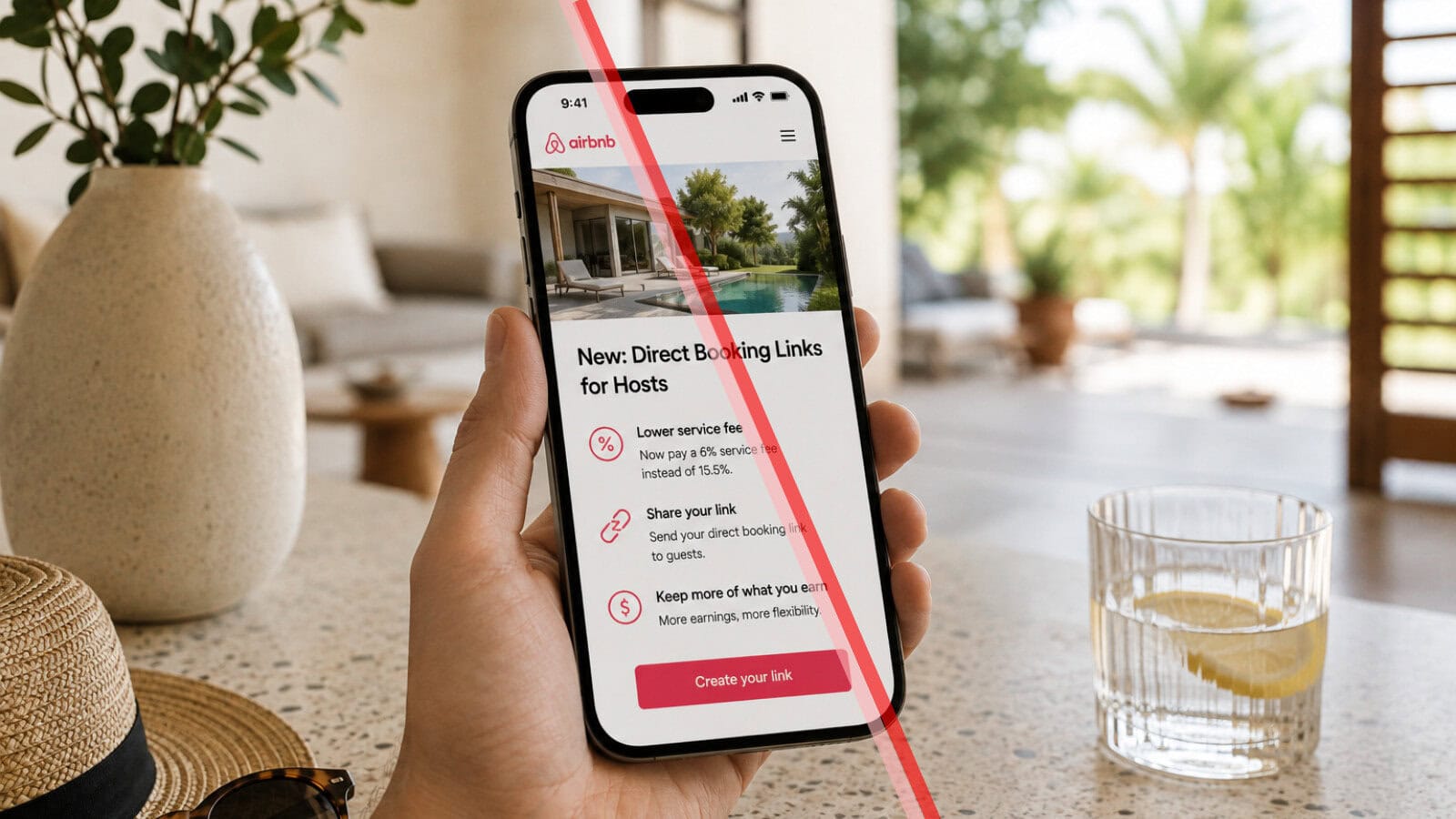
Airbnb’s New “Direct Booking Links” Cut Host Fees to 6%. They Also Reveal What Airbnb Charges Just to Find You a Guest
TL;DR: Airbnb is rolling out a direct booking link pilot that drops the standard 15.5% host fee to either 6% or 10% when hosts drive their own traffic. Despite being marketed as a direct booking link, the transaction still happens entirely on the platform, meaning Airbnb retains complete ownership of the guest relationship, data, and terms. The biggest takeaway is the unbundled pricing: By offering a 6% to 10% fee via this link, Airbnb has inadvertently revealed it values its demand-generation and guest-finding services between 5.5% and 9.5%.
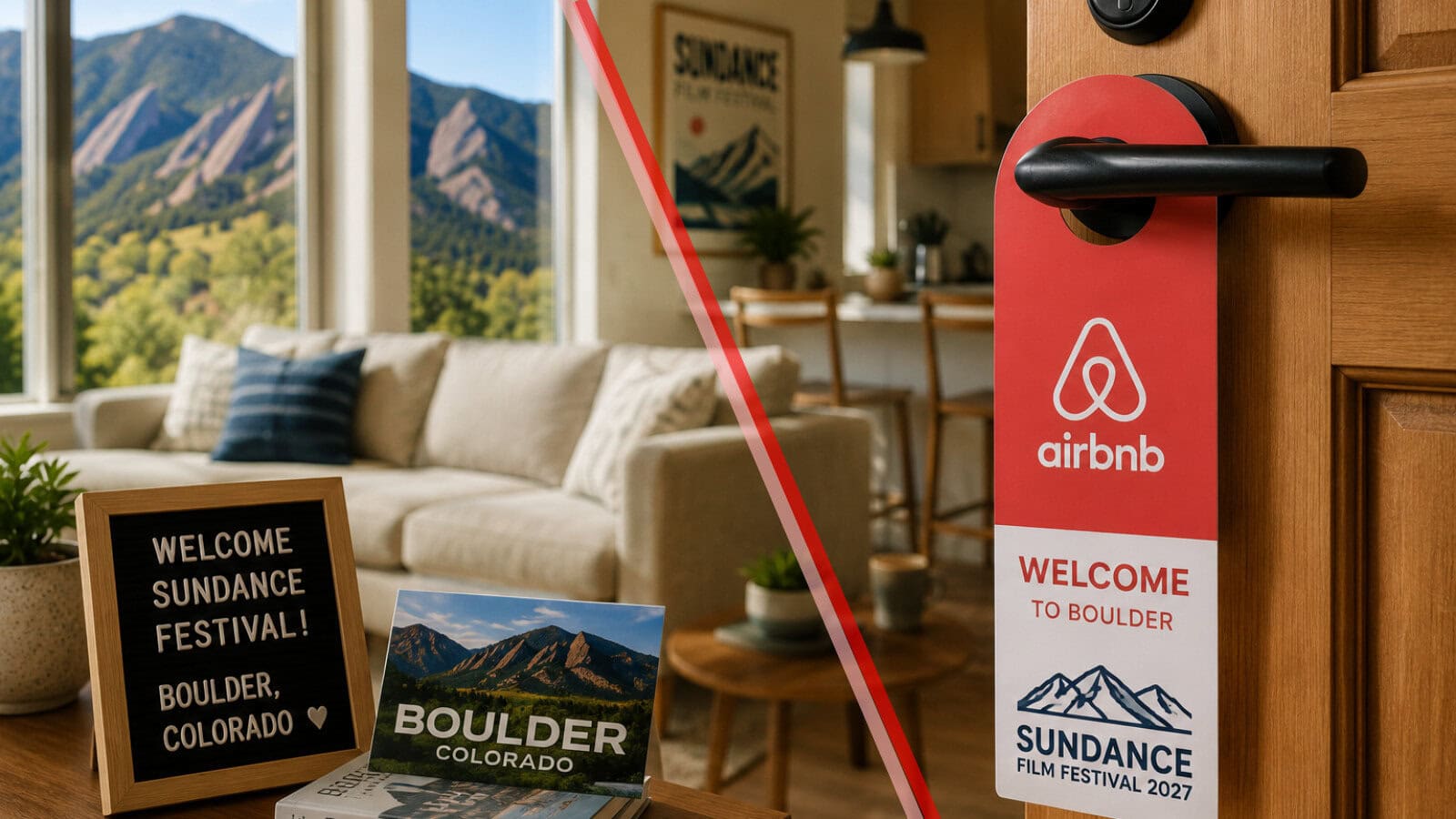
Airbnb’s Supply Acquisition Strategy for Big Events: Explained Through Sundance
TL;DR: Airbnb is paying $200 to first-time hosts in Boulder, Colorado, as the city takes over from Park City, Utah, as the new home of the Sundance Film Festival in January 2027. The festival is a huge draw and brings a wave of demand with it, and Airbnb wants the supply to capture that demand. The strategy worth decoding is what comes next: how Airbnb turns supply it acquires for one event into supply that stays.
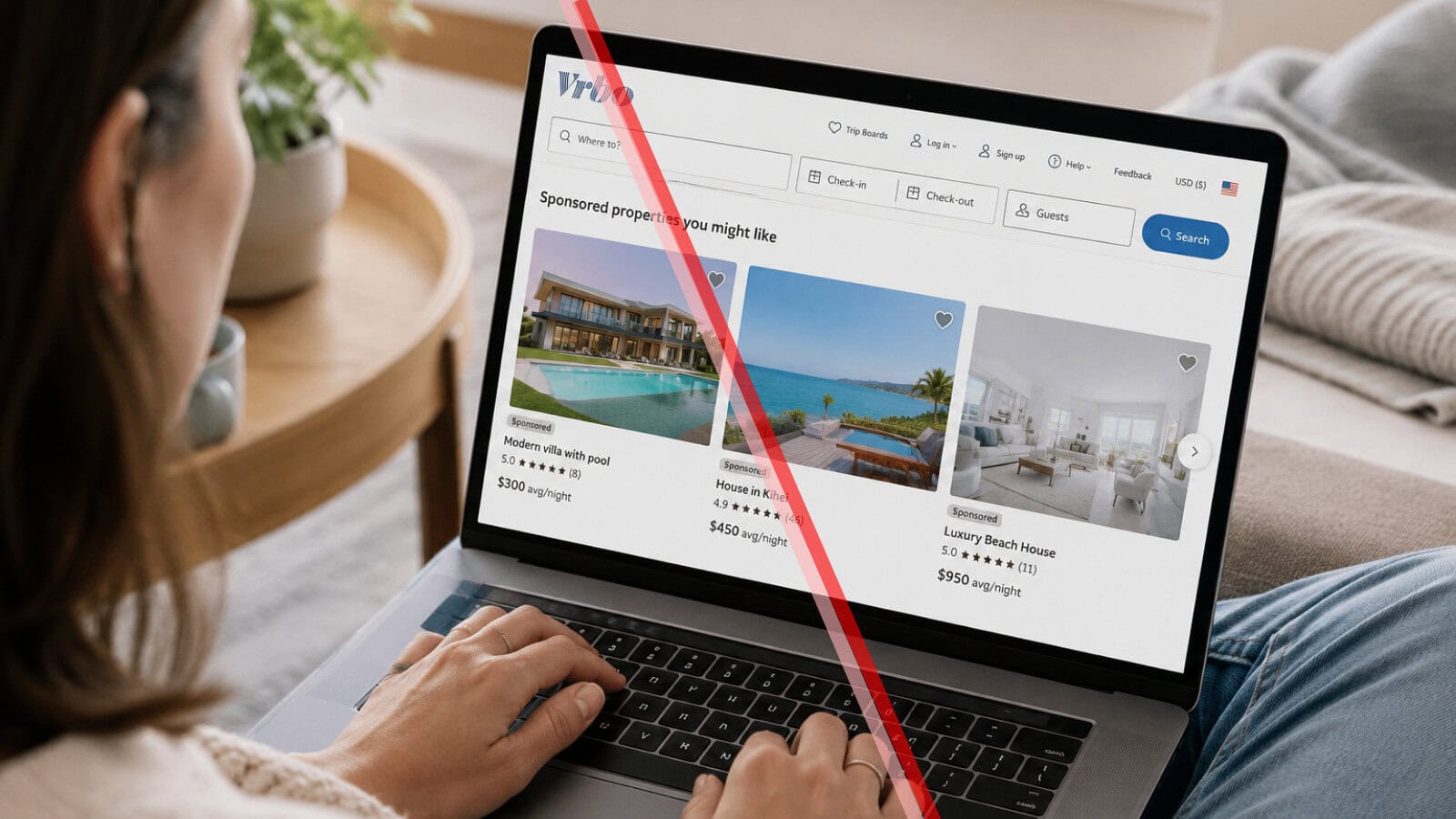
Vrbo Sponsored Listings Are Live: What It Means for Your Premier Host Strategy
TL;DR: Vrbo Sponsored Listings are live in the Expedia Group Advertising Portal. You set a bid, pick the travelers you want to reach, and your listing can appear above organic search results. You pay only when a booking comes through, not per click. If you spent 2026 chasing Premier Host status, this changes what that badge buys you. It still decides whether you show up in results. It no longer decides who sits at the top.
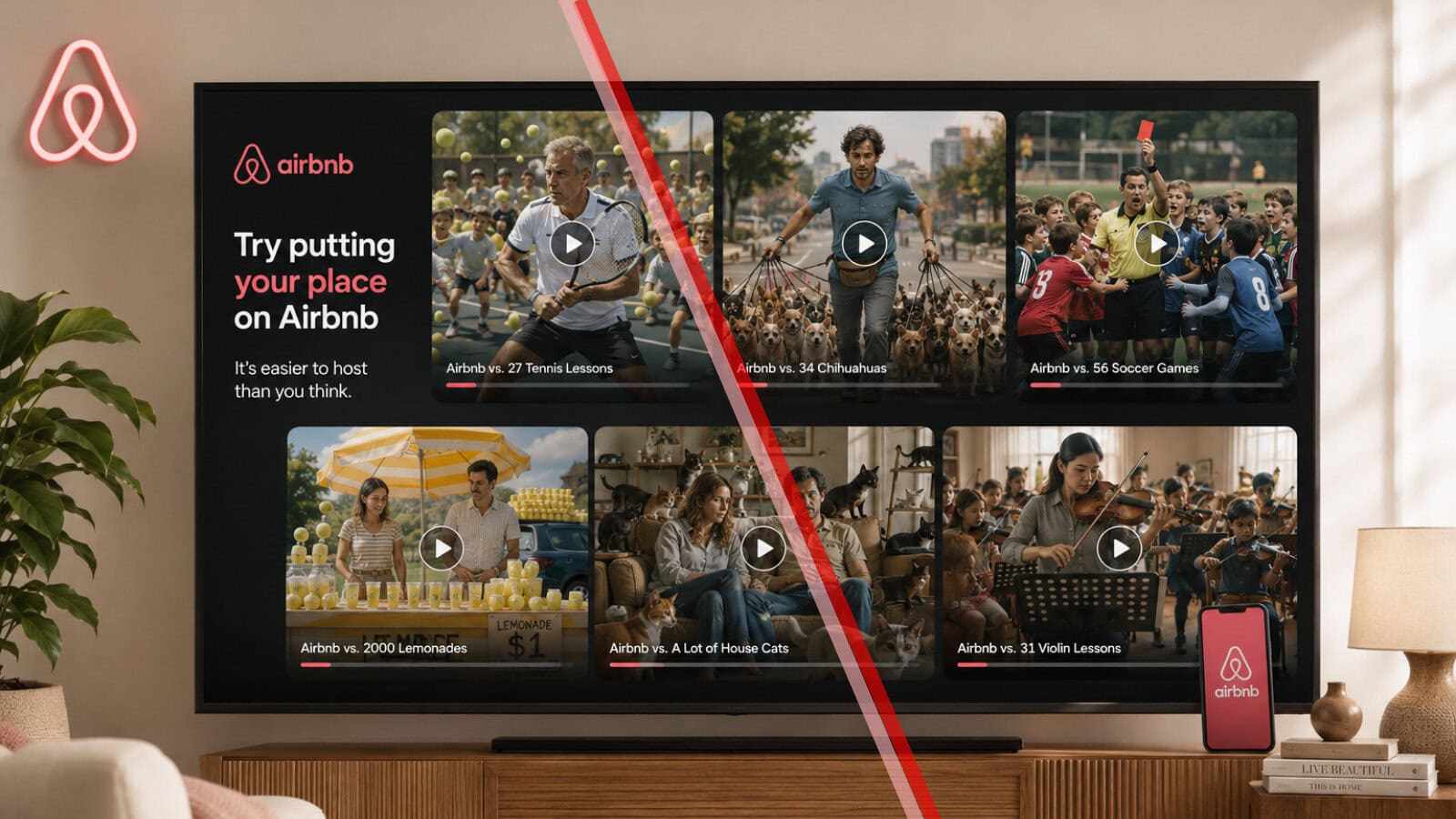
What Airbnb’s New Ads Tell Us About the Supply It’s Chasing
TL;DR: Airbnb has released five new adverts built on a single joke: to make around $2,000 in a week you could give 27 tennis lessons, walk 34 Chihuahuas or referee 56 soccer games, or you could list your place. The campaign line is "try putting your place on Airbnb." The joke is the least interesting part. The small print quotes earnings for two bedroom entire home listings, which tells you exactly which supply Airbnb is recruiting.

Airbnb Experiences: Our Cross-Selling Screenshots Explain the Tripadvisor Viator Deal
On August 11, 2026, Airbnb and Tripadvisor announced that a “selection” of Viator’s tours and activities will become bookable on ...
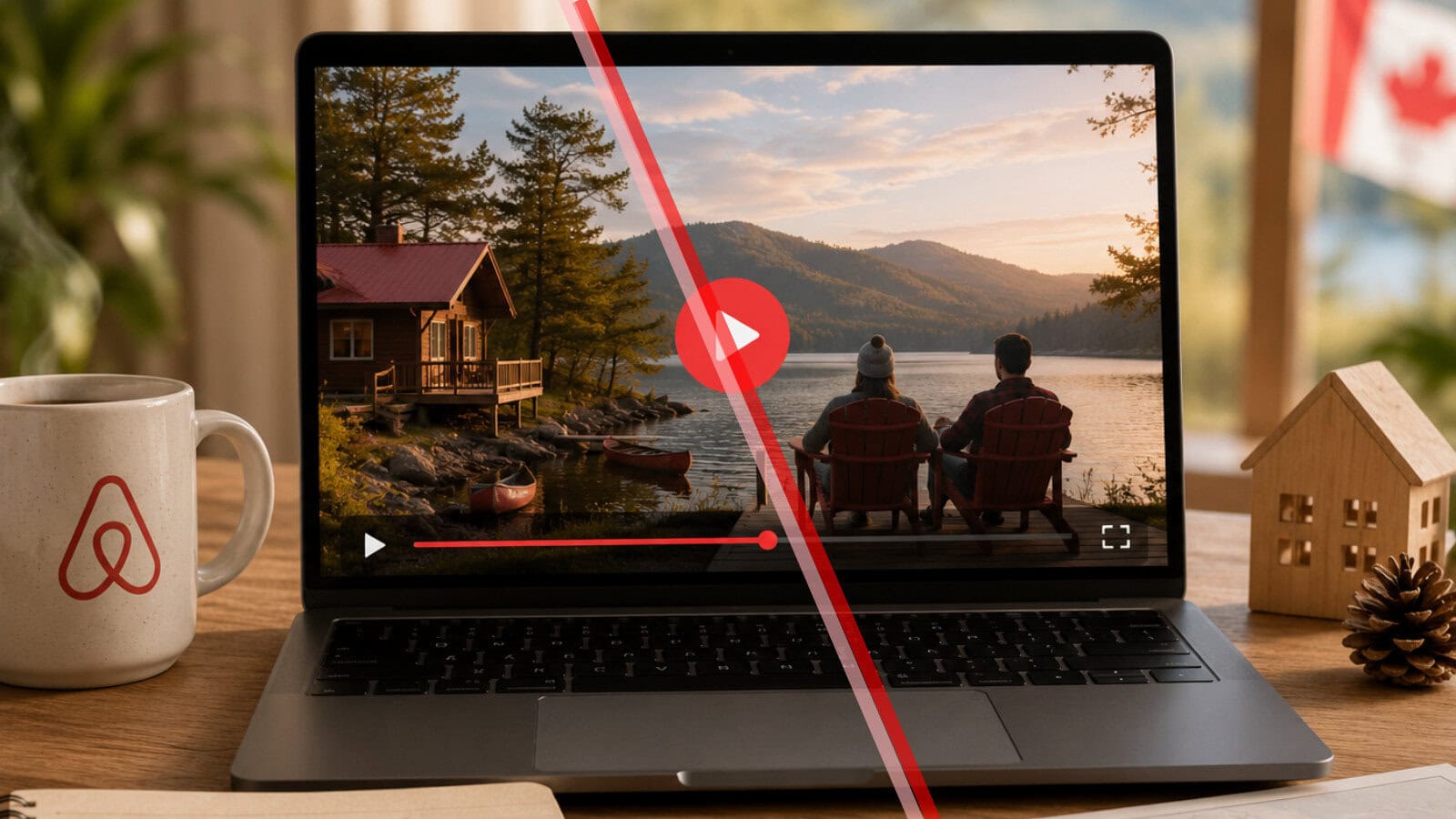
What Airbnb’s New Ads Reveal About Its Next Move in Canada
TL;DR: Airbnb has released four new ads featuring Canadian markets: Picton, Dunham, Kelowna, and Halifax. Each follows a local host showcasing independent businesses, under the line "with Airbnb, you book the neighborhood." None is set in Toronto, Vancouver, or Montreal, where short-term rental supply is capped hardest. With Canadians pulling travel spending out of the US, Airbnb needs somewhere to absorb that demand. The ads never mention price, the home, or hosting income, and that omission is deliberate.

Turkey targets online travel platforms, Japan allows “zero-day” limits, Florida city hikes rental fees
Turkey is advancing a bill to require major booking platforms like Airbnb and Booking.com to establish local representatives and pay a $104,000 permit fee, with potential restrictions on digital sales activities for non-compliance. In Asia, the Japan Tourism Agency is now allowing municipalities to impose "zero-day" operating limits on private short-term rentals in designated residential zones. Meanwhile, the St. Augustine City Commission in Florida unanimously approved fee hikes for short-term rental registrations and per-bedroom rates taking effect October 1.

Airbnb Q2 2026: A Record Quarter, Brought to You in Part by Changes Hosts Are Uneasy About
TL;DR: Airbnb grew revenue 17% to $3.6 billion in Q2 2026 and raised what it expects for the rest of the year. The US had its best quarter in almost three years, new guests arrived from India, Brazil and Japan, and large entire homes outgrew everything else. Airbnb credits hundreds of small improvements. Several of the bigger ones, including the 15.5% fee, Reserve Now Pay Later and hotels, are changes hosts have been unhappy about.

Vrbo Q2 2026 Performance: Are Hosts Paying for Its Growth?
TL;DR: Vrbo's parent company Expedia has now beaten its own guidance for five quarters running, and in the second quarter of 2026 that meant bookings grew 12%. But the number that matters most for short-term rental managers is a different one: over 40% of Vrbo's bookings this quarter came from supplier-funded promotions, discounts hosts pay for out of their own rate, up from about a third just one quarter earlier. That number touches host revenue directly, and every signal from this earnings call points to it climbing further.
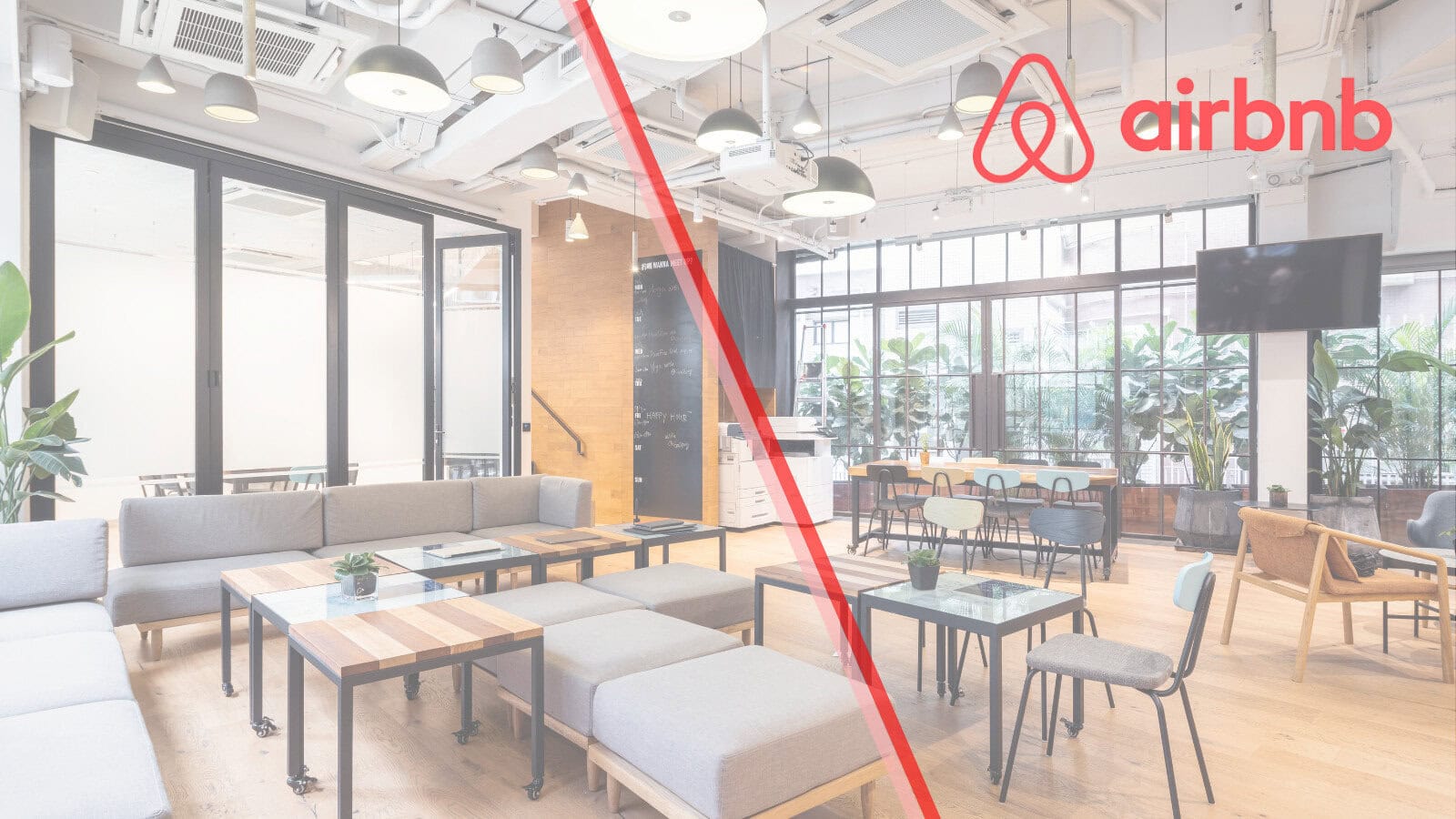
Airbnb Launches Coworking Partnerships With Oneder and Work.Life: Will This Attempt Stick?
Airbnb has added flexible workspace bookings to Airbnb Services, starting with coworking locations operated by Oneder and Work.Life in London. ...

Booking.com Says AI Isn’t a Threat Yet As Less Than 1% of Its Bookings Come From It. But That Number Has a Blind Spot.
TL;DR- Booking Holdings says bookings tied to AI tools like ChatGPT are still under 1% of its room nights, and it treats that as proof AI isn't a threat yet. But that number only counts travelers who came back to Booking to book. It says nothing about the traveler who used AI to make up their mind, then booked directly with the hotel or rental instead, which is exactly the traveler Booking's own CEO admitted he has no way to see.

Booking.com Has Spent Four Years Being the Underdog in US Vacation Rentals, and It’s Tired of It
TL;DR: In 2022, Booking.com was buying billboards to convince the US it was a relevant place to list a vacation rental. By 2025, its non-hotel business had quietly grown to roughly 80 to 85% of Airbnb's size in room nights globally. In Q2 2026, the US grew high single digits for Booking, but alternative accommodations still lag, and the CEO is repeating, by his own admission, the same broken-record speech about US inventory, awareness, and partner satisfaction. Four years in, the underdog label hasn't fully come off. It isn't for lack of trying.

Domestic Demand Did the Heavy Lifting in Booking’s Q2 2026. And Booking Expects More of the Same
TL;DR: Booking Holdings beat its own Q2 2026 forecasts despite the Middle East conflict disrupting long-haul travel. Travelers didn't cancel, but they did swap faraway trips for closer ones, and Booking caught the redirected demand. Alternative accommodations, the segment that includes short-term rentals, grew slower than the rest of the platform at 4%, and Booking's CEO wants that number "a lot higher," especially in the US. Booking's Q3 outlook assumes the disruption, and the substitution, continues.