
For some years, we’ve watched AI act as a fancy research librarian; great for “the best things to do in Lisbon,” but useless for actually putting heads in beds. That is changing in more ways than one.
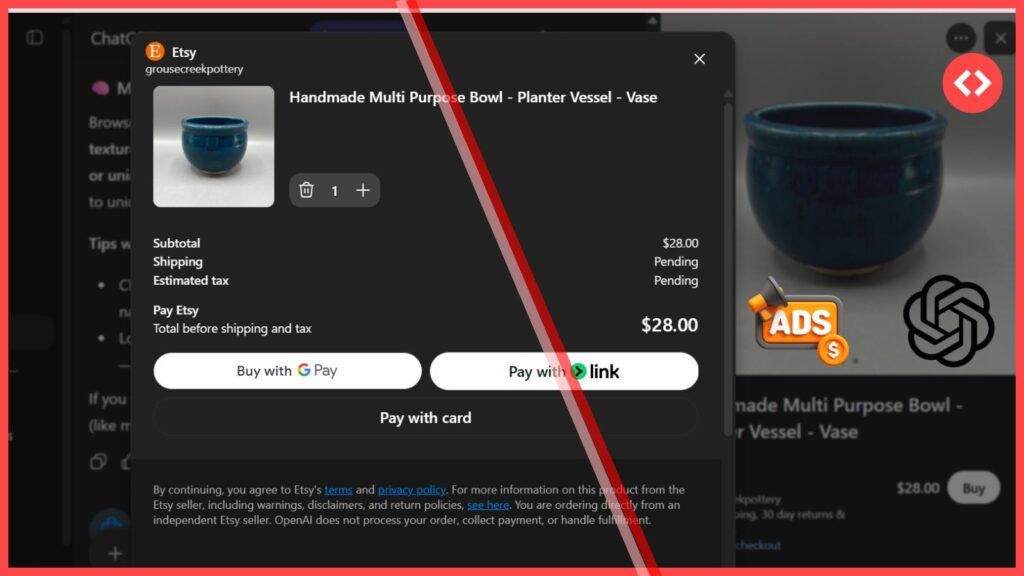
The latest shift in this regard is the arrival of ads in ChatGPT. According to recent news from Open AI, for the first time, users in the U.S. will start seeing sponsored listings, for instance a specific vacation rental, directly within their chat interface when they’re looking up a weekend trip to a historic European city or a beach getaway in Miami.
For professional short-term rental managers, this marks yet another moment ChatGPT moves from a “suggestion engine” to a high-stakes booking channel. Here is the RSU breakdown of what is actually happening.
From Advice to Advertising
OpenAI recently launched ChatGPT Go, an $8/month tier aimed at expanding access to the platform. To keep the lights on, and to feed an appetite for revenue after burning billions, OpenAI is now testing ads for both the Free and Go tiers in the U.S.

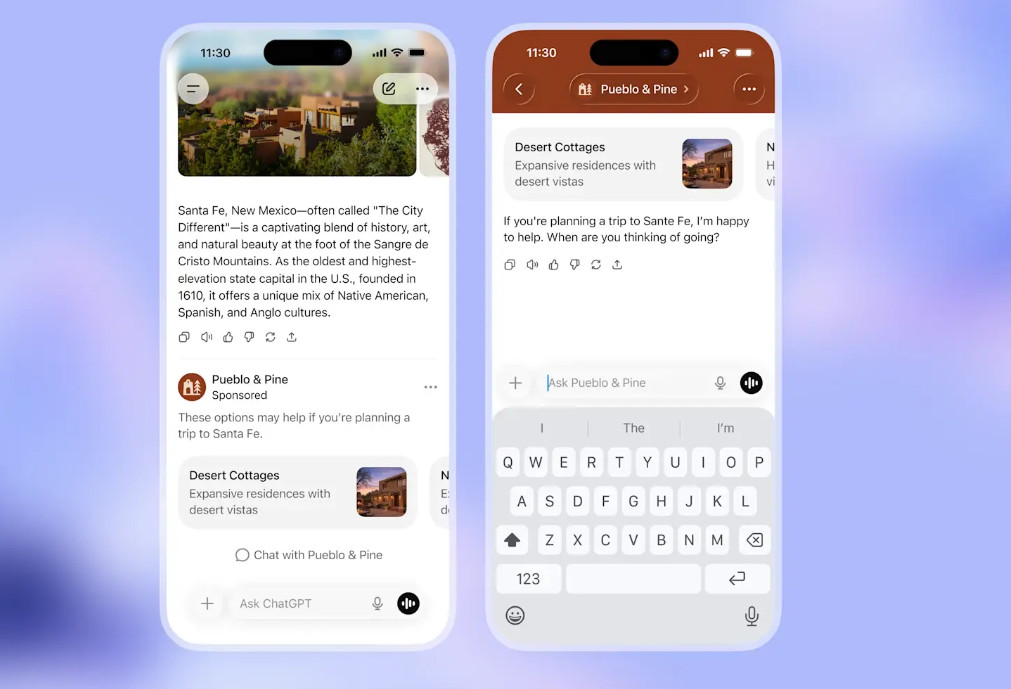
Here is how it might work for short-term rentals. Let’s say, a guest asks for “cool historical stays in Santa Fe.” In addition to the useful neighborhood and trip planning information, now they’ll also see a sponsored card from specific advertisers, such as the example used by OpenAI: “Desert Cottages,” complete with a “Chat with the brand” button. This is the start of a new “Agentic” funnel where the AI goes beyond talking to actually sell.
The Infrastructure: Instant Checkout is Already Here
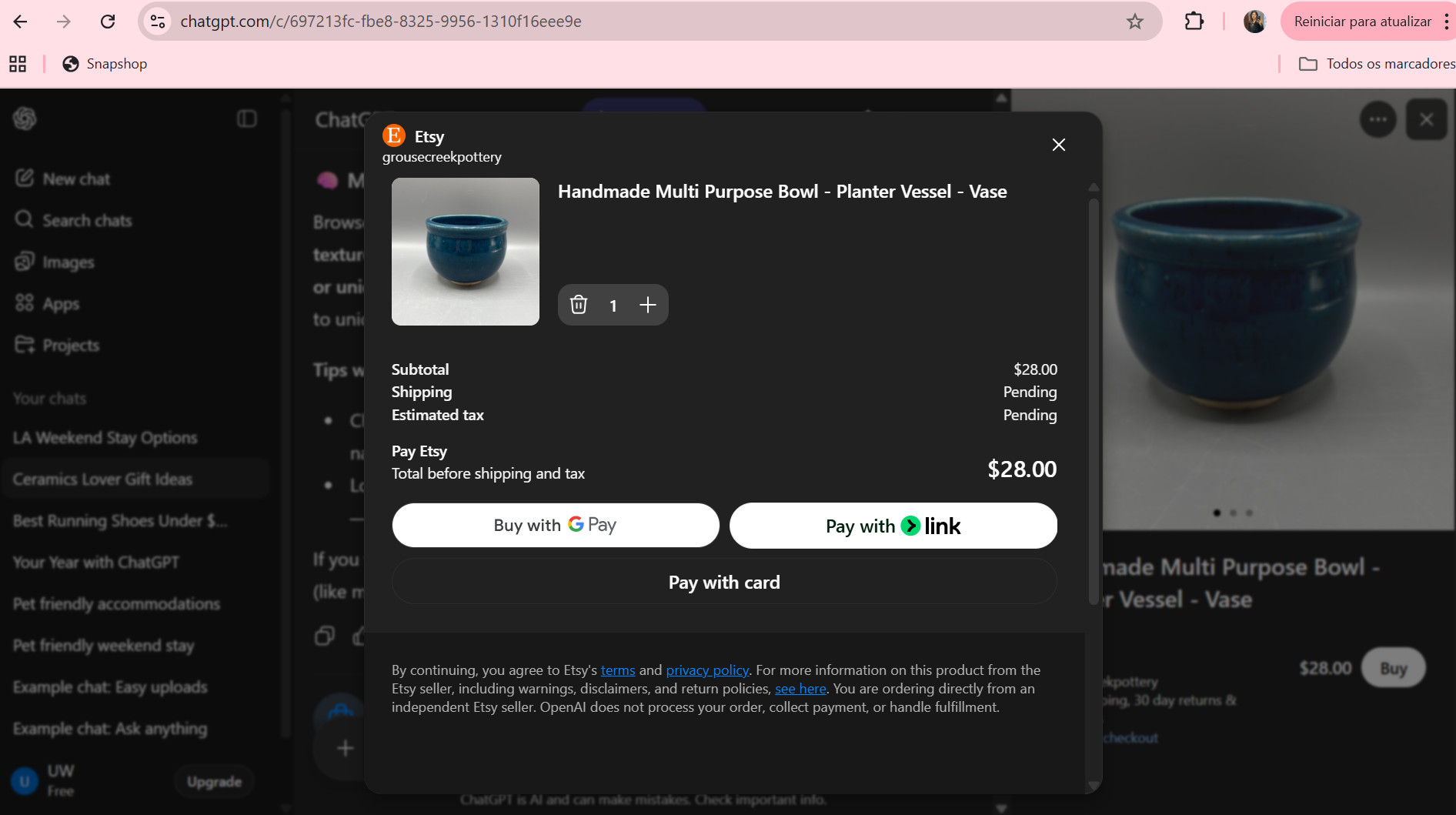
This move into ads isn’t happening in a vacuum. Since September 2025, OpenAI has been rolling out Instant Checkout.
- The Agentic Protocol: Powered by the Agentic Commerce Protocol, this tech allows users to tap “Buy,” confirm their details, and complete a transaction without ever leaving the chat.
- Google’s UCP: Parallel to this, Google has announced its own open-source Universal Commerce Protocol (UCP) to show live inventory and booking capabilities in real-time.
The New Cost of Doing Business: “Agentic Fees”
Perhaps the biggest question for any manager is the cost. OpenAI is likely not going to do this for free, and we are seeing the first glimpses of what their revenue model looks like.
- The Shopify Precedent: In early e-commerce interactions with partners like Shopify, we’ve seen a commission of roughly 4% on transactions.
- Undercutting the OTAs: For a professional manager used to paying 15-20% to Airbnb or Booking.com, a 4-5% “agentic fee” is an enticing proposition. OpenAI may intentionally undercut the major OTAs to lure direct supply into their ecosystem.
- The “Merchant of Record” Advantage: Unlike some OTA models, the Agentic Commerce Protocol is designed to let the merchant (you) remain the merchant of record, handling payments and fulfillment via your own existing systems.
However, “undercutting” could be a short-term play. Once OpenAI captures a significant portion of travel search, these fees could easily climb to match the standard OTA rates.
The Operator’s Reality Check: The Friction of “Dirty” Data
As a manager, skepticism should be aimed at the data. AI agents are currently operating on a mix of live and cached information, and the results can be messy.
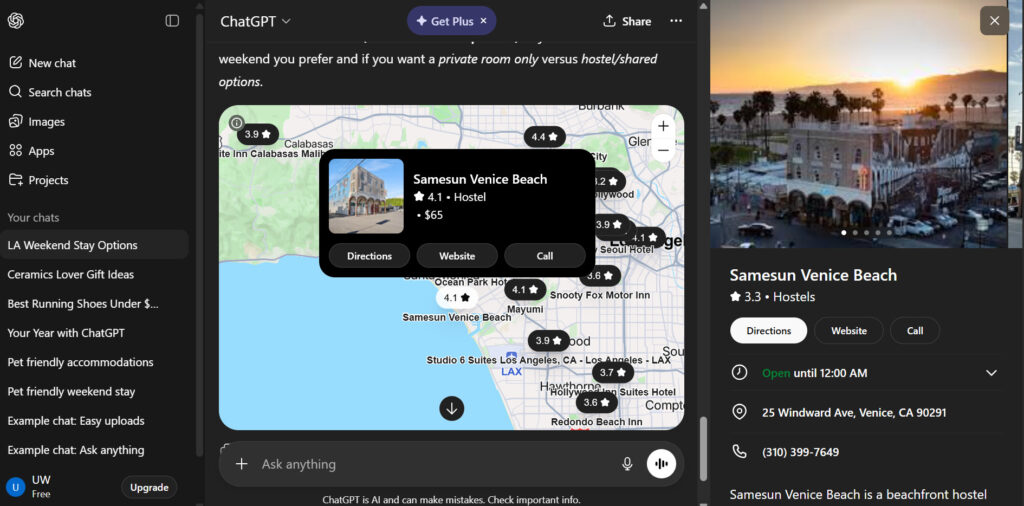
In a recent search for stays in LA, a property appeared on a ChatGPT map with a 4.1-star rating, but a quick click through to the live source showed an actual Yelp rating of 3.3. For a professional manager, this discrepancy is a liability. If the AI “sells” a 4.1-star dream and the guest arrives at a 3.3-star reality, the managers, not OpenAI, are the one handling the refund requests.
The Bottom Line: Moving Toward “Machine-Readable Trust”
The introduction of ads in the U.S. is the “wedge” that pushes travelers to stay within the AI ecosystem for the entire booking journey. To compete here, being a “good host” isn’t enough; operators have to be a “clean data provider.”
To win this space, properties must be:
- Real-Time Synced: If availability isn’t perfectly synced via a protocol like UCP, managers risk double-bookings in a conversational interface where the user expects instant confirmation.
- Structured for Agents: Property information data needs to be machine-readable: clean metadata that an AI agent can verify in seconds.
OpenAI is closing the loop. They have the traffic, they now have the ads, and they have the checkout infrastructure. The only thing they don’t yet have is your live, accurate inventory. Whether you pay the “agentic tax” to OpenAI or stay loyal to the OTAs, the requirement for professional managers remains the same: clean up your data or stay invisible.

Uvika Wahi is the Editor at RSU by PriceLabs, where she leads news coverage and analysis for professional short-term rental managers. She writes on Airbnb, Booking.com, Vrbo, regulations, and industry trends, helping managers make informed business decisions. Uvika also presents at global industry events such as SCALE, VITUR, and Direct Booking Success Summit.