Blog

Indiana Sides With Landlords, Pennsylvania Eyes Baseline Rules, Montréal Faces Event Crunch
Indiana Governor Mike Braun signed HEA 1210 on March 12, prohibiting cities from capping residential rental properties — effective July 1, 2026 — while giving Carmel and Fishers until January 2028 to comply. Pennsylvania introduced HB 2303 on March 19, the state’s first uniform short-term rental framework, with a first committee hearing on March 25. In Montréal, a seasonal hosting restriction leaves more than 26,000 accommodation nights unmet during the Formula 1 Grand Prix (May 22–24) and UCI World Cycling Championships (September 19–27), with over $19 million in projected lost visitor spending — and the mayor has acknowledged the bylaw isn’t working.

Beyond Q4 2025 performance: Inside Vrbo’s Plan to Win on Reliability (And Beat Airbnb)
📌 TL;DR: An analysis of Vrbo’s Q4 2025 earnings reveals the growing divide between Vrbo and Airbnb. While Airbnb is driving booking volume by removing checkout friction - pushing cancellation risks onto property managers - Vrbo is engineering a platform built on absolute financial certainty. By rolling out fintech shields like an exclusive Affirm partnership and the data-driven WeatherPromise guarantee, Vrbo protects host payouts upfront. However, this reliability comes at a cost: managers face a strict new "operational tax," requiring a flawless 0% cancellation rate to maintain visibility under new Premier Host standards.
The Google Goliath: Guests Are Using AI Vacation Rental Search (Even If They Didn’t Ask To)
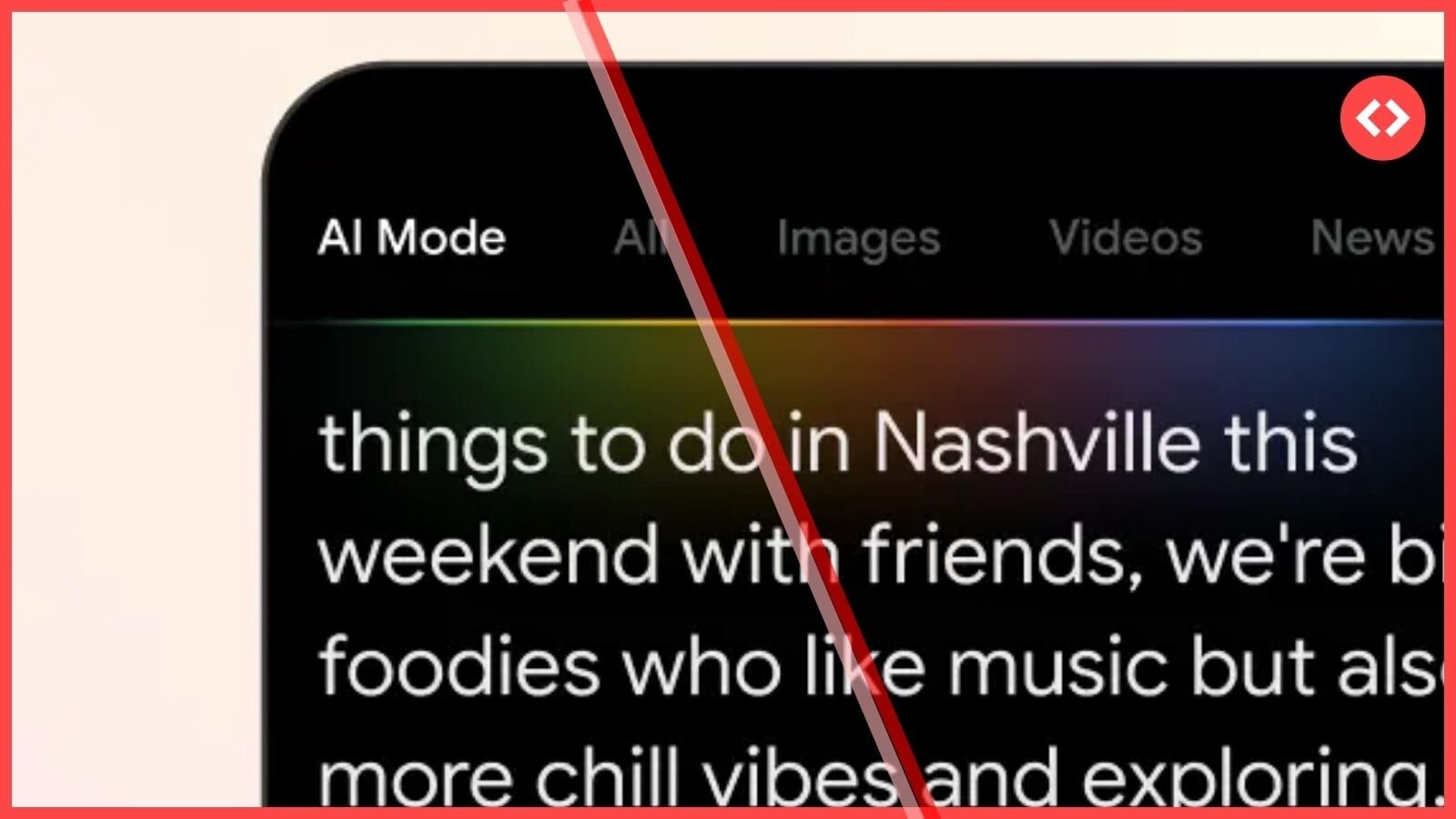
TL;DR- The shift to AI vacation rental search is turning into a forced cultural shift driven by Google. In a recent live session, Uvika Wahi demonstrated how Google has replaced the traditional "ten blue links" with an AI Overview by default. Travelers no longer have to seek out AI assistance to plan a trip; Google is synthesizing reviews, maps, and property details into a single interface before a single link is clicked. Property managers must realize: visibility no longer means ranking first on a search page, it means being the primary source for AI synthesis.
The Browser is the New OTA: How AI Travel Booking Agents Are Killing the 100-Tab Trip Plan
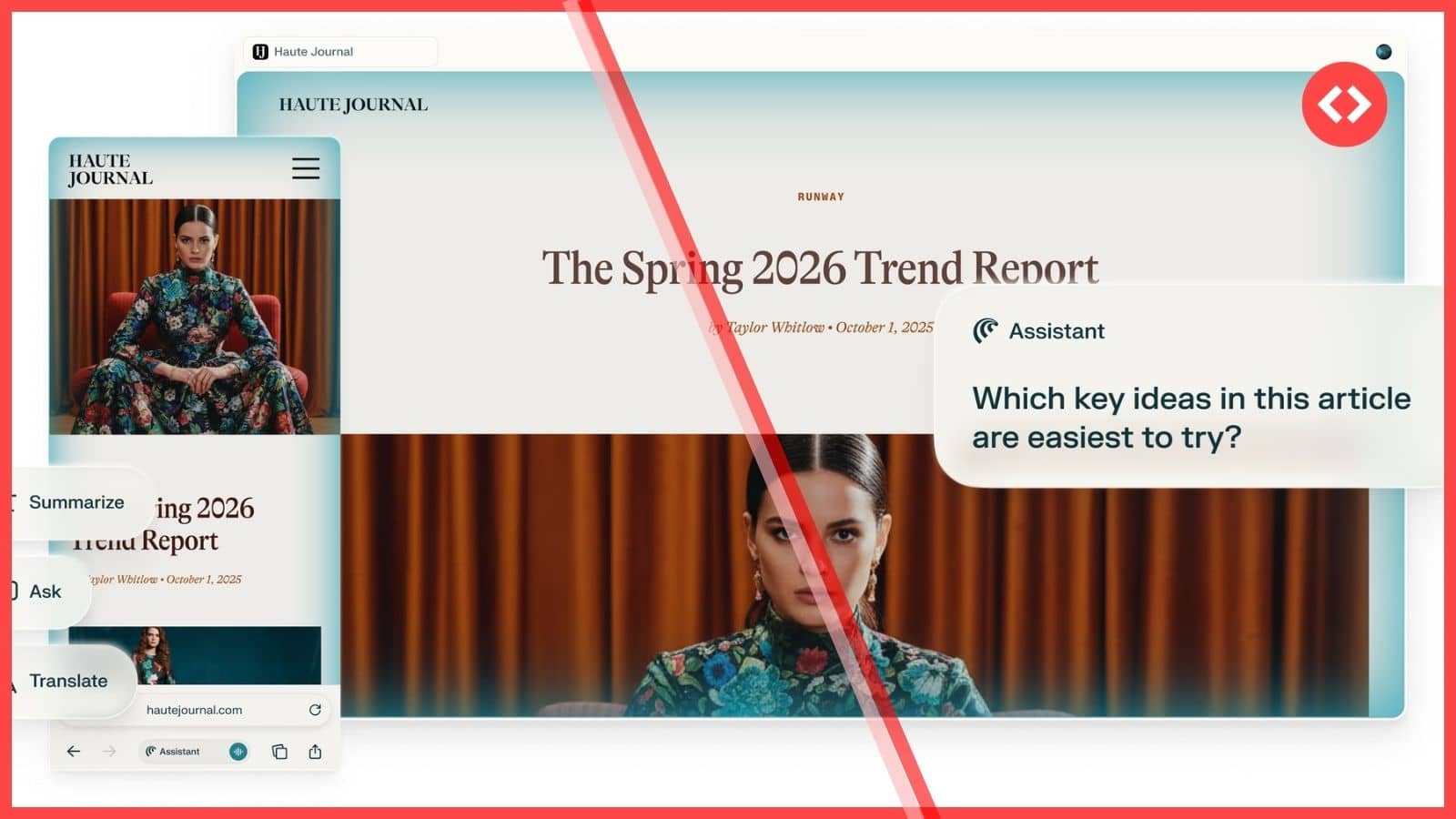
TL;DR- AI agents are shifting the travel booking experience on the internet from manual browsing to autonomous synthesis. Thibault Masson demonstrated this live using Perplexity's "Comet" browser, showing how an AI agent can take a vague prompt and autonomously navigate the web, check flight routes, compare Airbnb listings, and present a final comparison table without the user ever touching the keyboard.

Are You Listing a Property or Solving a Problem? The Reality of AI Short-Term Rental Marketing
TL;DR- AI is fundamentally changing how guests discover and book stays. Instead of searching for inventory (like "3 bedrooms"), travelers are using conversational AI to find specific outcomes based on the "Jobs-to-be-Done" framework. Lake.com CEO David Ciccarelli highlights that AI tools in "Agent Mode" now act as autonomous travel assistants, scraping direct websites and OTAs to compare amenities, pricing, and cancellation policies. To stay visible, property managers must shift from selling physical features to solving guest problems, ensuring all listing data is machine-readable for these new AI agents.

Croatia Signals Rental Limits, Maui Rejects Rezoning Lifeline, and Evanston Shifts to Discretion-Based Oversight
TL;DR- The Maui Planning Commission rejected rezoning categories that could have saved nearly 7,000 apartment-zoned rentals. Meanwhile, Croatia is considering rental caps amid housing pressure, and Evanston has shifted to discretionary oversight under a fixed supply ceiling.

Airbnb’s Winter Olympics 2026 Strategy: Gen Z, Global Events, and the Long Game Beyond Bookings
TL;DR- Airbnb’s Winter Olympics 2026 strategy goes beyond bookings. Through Gen Z storytelling and short-form content, it’s using Milano-Cortina to build brand loyalty, cultural legitimacy, and long-term positioning in key markets.

What Happens When AI Becomes the First Step in Booking a Stay?
TL;DR- AI travel booking is compressing the discovery funnel. Instead of browsing and comparing listings manually, guests now describe full travel scenarios to AI tools, which instantly synthesize reviews, amenities, pricing, and policies.

Vrbo’s WeatherPromise: A New “Cash Machine” Designed to Monetize Guest Anxiety
TL;DR- Vrbo WeatherPromise is a parametric weather guarantee designed to reduce booking hesitation, and increase platform revenue. Instead of traditional travel insurance, payouts are automatically triggered using NASA and NOAA weather data if rainfall exceeds predefined thresholds.

Pittsburgh Moves Toward Licensing, Cape Town Tightens Enforcement, and Kentucky Bill Seeks to Override Local Rules
TL;DR- Pittsburgh is moving toward licensing, zoning approval, and unit caps; Cape Town is increasing enforcement on commercial-scale operators; and Kentucky may override local STR restrictions entirely.

Booking Holdings Is Almost as Big as Airbnb in Homes
TL;DR- Booking Holdings vs Airbnb is no longer a hotel vs homes story. Booking’s alternative accommodations business is now approaching Airbnb’s scale, with roughly 430M non-hotel nights and nearly $10B in annual operating profit backing it.

Airbnb tests pay-to-play visibility for “best guests” (LOYALTY PROGRAM TEST?)
Executive brief Some Airbnb hosts are receiving a new message: Offer 20% off to top-rated guests and get higher ranking ...

Airbnb’s Q4 2025 Earnings Call: Top 10 Things FOR Vacation Rental Managers
TL;DR- Airbnb’s Q4 2025 results show growth driven by conversion, not new supply. Simplified 15.5% fees, Reserve Now Pay Later, checkout upgrades, and AI support boosted bookings despite slightly higher cancellations.

Will AI Kill Airbnb? Only If You Think Airbnb Is Just Search
TL;DR- Airbnb operates across three layers: discovery, payment infrastructure, and trust. AI may compete in search and comparison, but replicating cross-border payments, fraud protection, dispute resolution, verified identities, and supply-side onboarding is significantly harder.

Ireland Restricts Rentals in Towns Over 20,000, Saratoga Imposes Full Ban, and Bandon Freezes New Applications
TL;DR- Ireland will now restrict STRs in towns with over 20,000 residents, giving existing operators two years to comply, while introducing planning oversight. In the U.S., Saratoga is enacting a total ban, adding fines, and hiring a monitoring firm to scan platforms. Meanwhile, Bandon, Oregon has paused new permits for 120 days while it evaluates local housing impact.

Airbnb’s AI Strategy for 2026 Is Already Taking Shape
📌TL;DR- In Q3 2025, Airbnb framed AI as a "fourth pillar" of strategic defense. Following the Q4 2025 earnings call, that pillar has evolved from a narrative moat into a high-speed execution engine. With the appointment of a Meta AI heavyweight as CTO and the successful automation of one-third of customer support, Airbnb is moving beyond "chatbots" to build an AI-native travel platform for 2026.
Airbnb Q4 2025: Record Bookings Driven by Simplified Pricing and Checkout
📌TL;DR- Airbnb Q4 2025 results reveal a strategic pivot toward engineered growth. While revenue hit $2.8 billion, the real story is Project Y, a move toward continuous, small-scale product tweaks that boosted conversion and nights booked by 10%. To bypass urban regulatory ceilings, Airbnb is surgically expanding into boutique hotels. Meanwhile, AI automation is already resolving one-third of support issues, serving as a critical margin protector as the company reinvests in global expansion.

Airbnb’s 2026 Apartment Strategy Is Larger Than It Appears
TL;DR- Airbnb’s “Airbnb-friendly buildings” program is creating a new kind of short-term rental supply. Renters in approved buildings can host part-time with owner permission. From just 175 buildings, the program now spans nearly 1,300 across the U.S., U.K., Canada, Brazil, and more. While not a threat year-round, this structured, legal supply may compete during peak events.

2026 Winter Olympics Milano: Why Fewer Bookings Are Making Hosts More Money
TL;DR: During the Opening Days (Feb 4–9) of the Winter Olympics Milano Cortina 2026, short-term rental markets saw occupancy drop but revenue surge. PriceLabs data shows that while supply jumped, booked nights and ADR rose sharply, especially in Cortina, Milan, and Val di Fiemme.

Vrbo Introduces Buy Now, Pay Later for Vacation Rentals
TL;DR- Vrbo has officially rolled out Buy Now, Pay Later as a core feature through an expanded partnership with Affirm, letting guests pay in installments over 3–24 months. Unlike, Airbnb’s $0-down “Reserve Now, Pay Later,” Vrbo’s approach ensures property managers still get paid upfront. In contrast, Airbnb’s RNPL feature can lead to “phantom bookings” if a guest’s card fails before the stay.