
Uvika Wahi
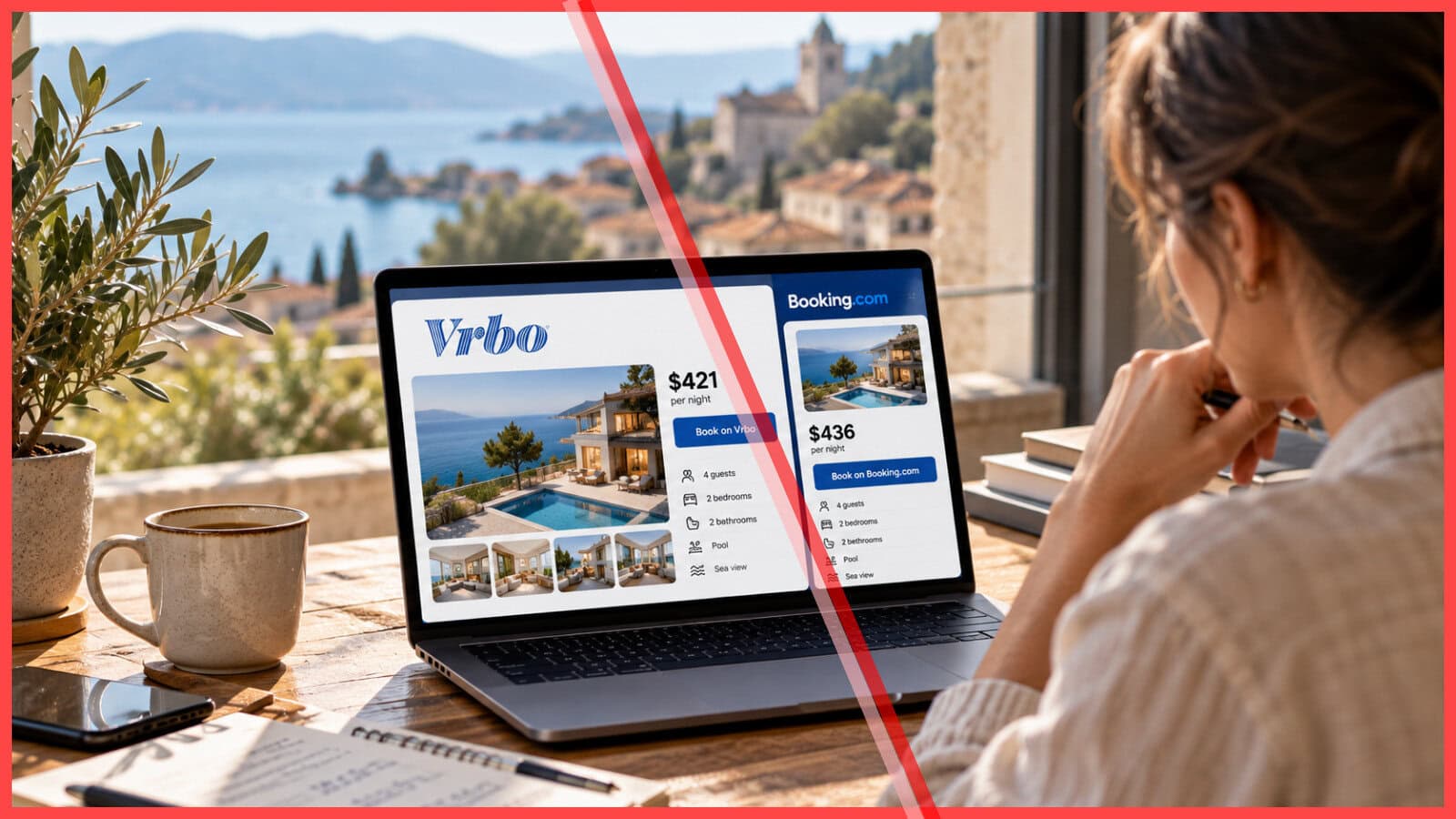
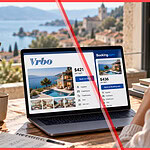
Vrbo Plans to Drop Its Price-Matching Rule for Direct Sites, but the 12% Commission Stays
Vrbo plans to drop its requirement that your Vrbo price match your own website. Its new 12% commission still starts ...

Booking.com Rate Parity in Europe: External Prices No Longer Affect Sponsored Discounts
Booking.com no longer considers your prices on other channels when deciding which European properties get sponsored discounts. Booking.com stops using ...
Airbnb 2026 Fall Update: How Dynamic Pricing, AI Search and Add-On Services Affect Hosts
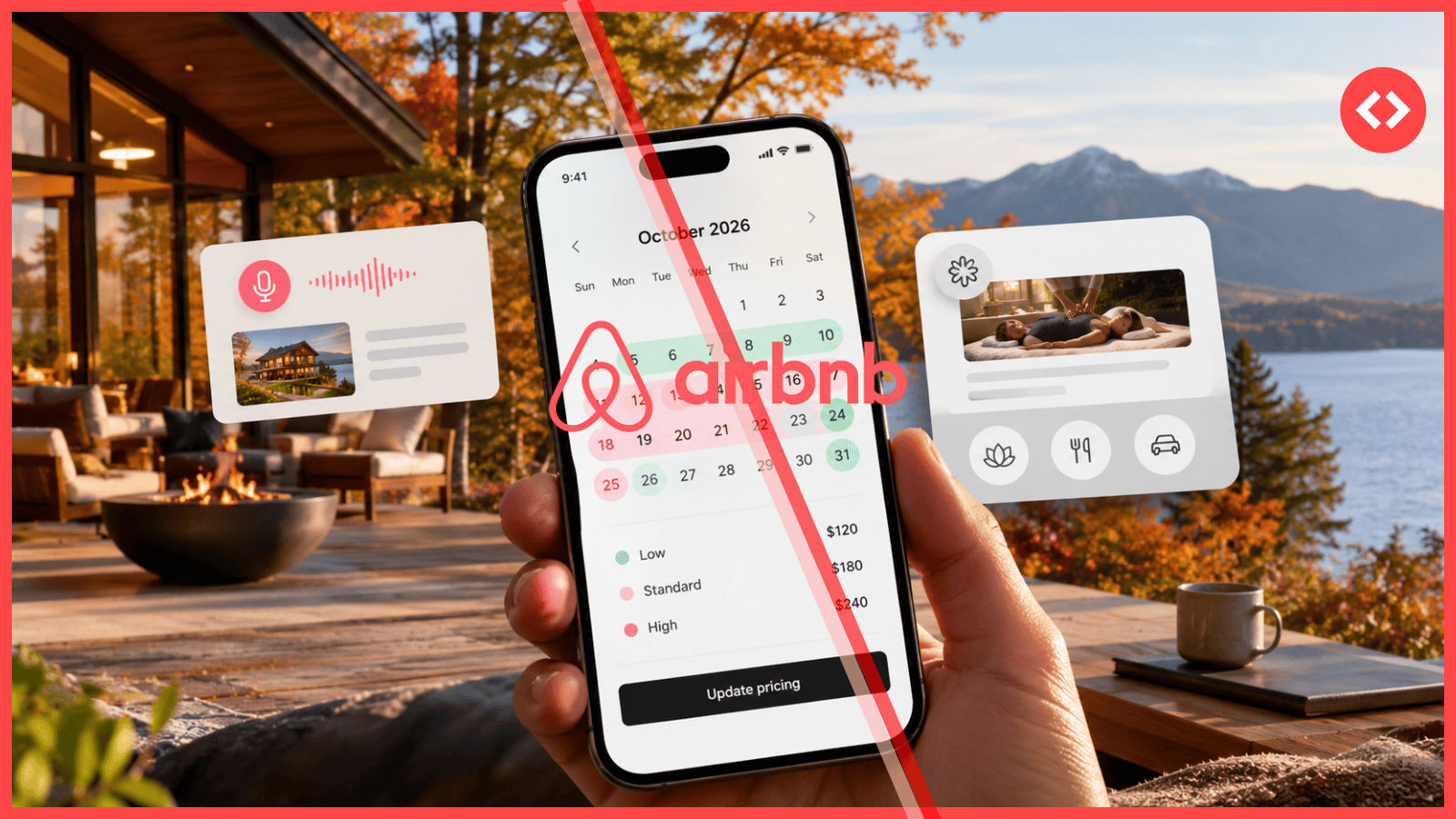
Airbnb's 2026 fall update gives hosts dynamic pricing, a top-rated guest discount, an AI earnings dashboard for hosts with five or fewer listings and a multi-listing calendar for those with six or more. For guests, AI search now takes voice, which raises the value of detailed listings, while add-on services like groceries, laundry and baby gear move inside the Airbnb app, fulfilled by Airbnb's partners.

Atlanta Drops Its Residency Cap, Spain Taxes Tourist Rentals by Decree, Maui Rejects Most Phaseout Exemptions
This week's short-term rental policies: Atlanta removed its residency cap in a 9-5 vote, clearing enforcement from January 2027. Spain's Royal Decree-law 26/2026 adds 10% VAT on stays up to 30 nights and IBI surcharges up to 150%, pending an October 2 Congress vote. Maui's Planning Commission recommended denying Bill 9 exemptions for 43 of 48 properties. Regulators are trading contested caps for enforceable tools.

Vrbo Moves All Hosts to a Single 12% Commission: What Changes on October 29
TL;DR: Vrbo is moving all hosts to a single 12% commission on October 29, 2026, an increase for per-booking hosts without a PMS (about 8% today) and PMS-connected managers (5%). Unlike Airbnb's host-only fee, Vrbo's guest service fee remains. Vrbo suggests hosts review their rates, but its new Host Terms require rates, fees and availability on Vrbo to be at least as favorable as on other channels, which shapes how hosts can respond.
Oktoberfest 2026: Munich Short-Term Rentals Book Slower but Earn More
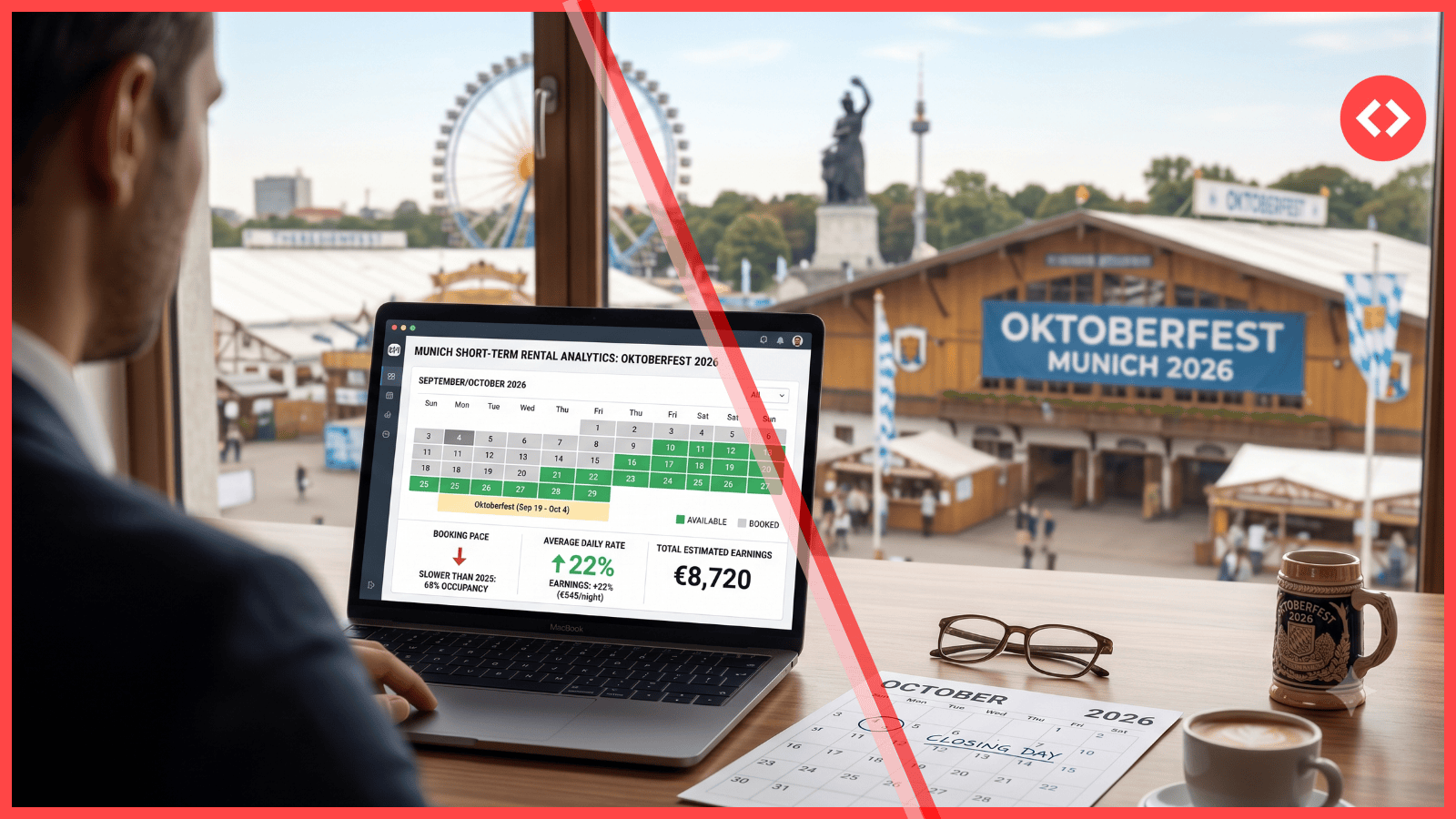
TL;DR: Oktoberfest 2026 shows what happens to event demand when travel gets more expensive: fewer guests, but guests willing to pay more. PriceLabs data shows Munich short-term rental occupancy behind last year while nightly rates climbed to nearly double normal levels, leaving revenue per available rental (RevPAR) slightly ahead. For professional short-term rental managers, slower bookings are the risk to watch, because higher rates only just covered them.

Folly Beach Reinstates Its Licence Cap, Greece Matches Platform Data to Tax Returns, Abu Dhabi Opens Licensing to Tenants
Global short-term rental regulations are shifting accountability from property owners to those controlling the listings. Folly Beach, South Carolina, recently renewed its 800-license cap while removing an illegal income-based fee. Greece is now auditing 2025 platform booking data against declared income, penalizing registered property managers for discrepancies. Meanwhile, Abu Dhabi expanded license eligibility to tenants and third parties, but strictly mandates a valid license number on every single listing page.
EU Affordable Housing Act: Restrictions Would Expire After Five Years, Primary Residences Are Less Protected Than Reported
Key takeaways for property managers The Affordable Housing Act would not ban short-term rentals anywhere in Europe. It sets the conditions a city has to meet before it can restrict them on housing grounds, and it leaves the decision to restrict with the city. Nothing changes for your properties today. This is a Commission proposal. Parliament and Council still have to agree on a final text. The primary residence "exemption" is narrower than the headlines suggest. It limits what cities can do on housing grounds. It does not stop them restricting primary-residence hosting for other reasons. Two changes in the official text favour existing operators. Restrictions would expire after five years unless renewed, and transitional arrangements for lawful existing businesses became mandatory rather than optional. There is a cut-off date, and it arrives fast. Any local restriction adopted before the Regulation enters into force escapes its tests entirely.

Montgomery County Routes Licence Checks Through Platforms, England Sets a Register Date, Shinjuku Ward Proposes Zonal Limits
Montgomery County, Maryland introduced Bill 42-26 on September 15, requiring booking platforms to confirm a valid county licence before publishing a listing and barring them from processing payments for unlicensed rentals. In England, Culture Secretary Lisa Nandy confirmed that the national register of short-term and holiday lets will be fully operational by March 2027, ending a period without a published timetable. In Tokyo, Shinjuku Ward set out a policy on September 7 to prohibit private lodging in residential-only and school zones, a restriction that would reach existing operators after a grace period. The three moves sit at different points in the compliance chain: the payment rail, the national data layer, and the zoning map.

Rowlett Automates Hotel Tax Enforcement, Poland’s Building-Level Ban Clears Cabinet, Western Australia Issues Its First Fine
Airbnb and Vrbo do not collect hotel tax in Rowlett, Texas, and the city has hired a vendor to check whether operators file it themselves. Poland's cabinet approved a bill letting housing associations vote short-term rentals out of their buildings, though it is not law and the president has not said whether he will sign. Western Australia issued its first fine under its registration act: $2,000 for a missing number in an advertisement.

Pennsylvania Advances Caps, Italy Enforces New Tax Rules, Ventura Hikes Fees and Caps Permits
TL;DR: In Pennsylvania, local municipalities like Kennett Square are proactively passing strict short-term rental caps while state-wide regulations remain debated in committee. In Europe, Italy is advancing its National Identification Code (CIN) mandate and now legally classifies anyone operating three or more short-term rentals as an entrepreneur requiring a VAT number. In California, Ventura finalized an overhauled ordinance that raises its permit fee by 648% and caps most owners at two permits citywide. Together, the three moves point to the same trend: compliance costs are rising and the loopholes that let casual operators scale are closing.
Vrbo Members Only Deals Shift to Auto-Enrollment: What Hosts Need to Know by September 10
TL;DR: Vrbo is applying Members Only Deals automatically from September 18, 2026, at 12% for Blue tier, 15% for Silver and 20% for Gold and Platinum. These discounts apply directly to the property's nightly rate. Hosts must opt out by September 10 through an emailed link. An Expedia Group page confirms the terms, including that the discounts stack on top of existing weekly and monthly discounts.
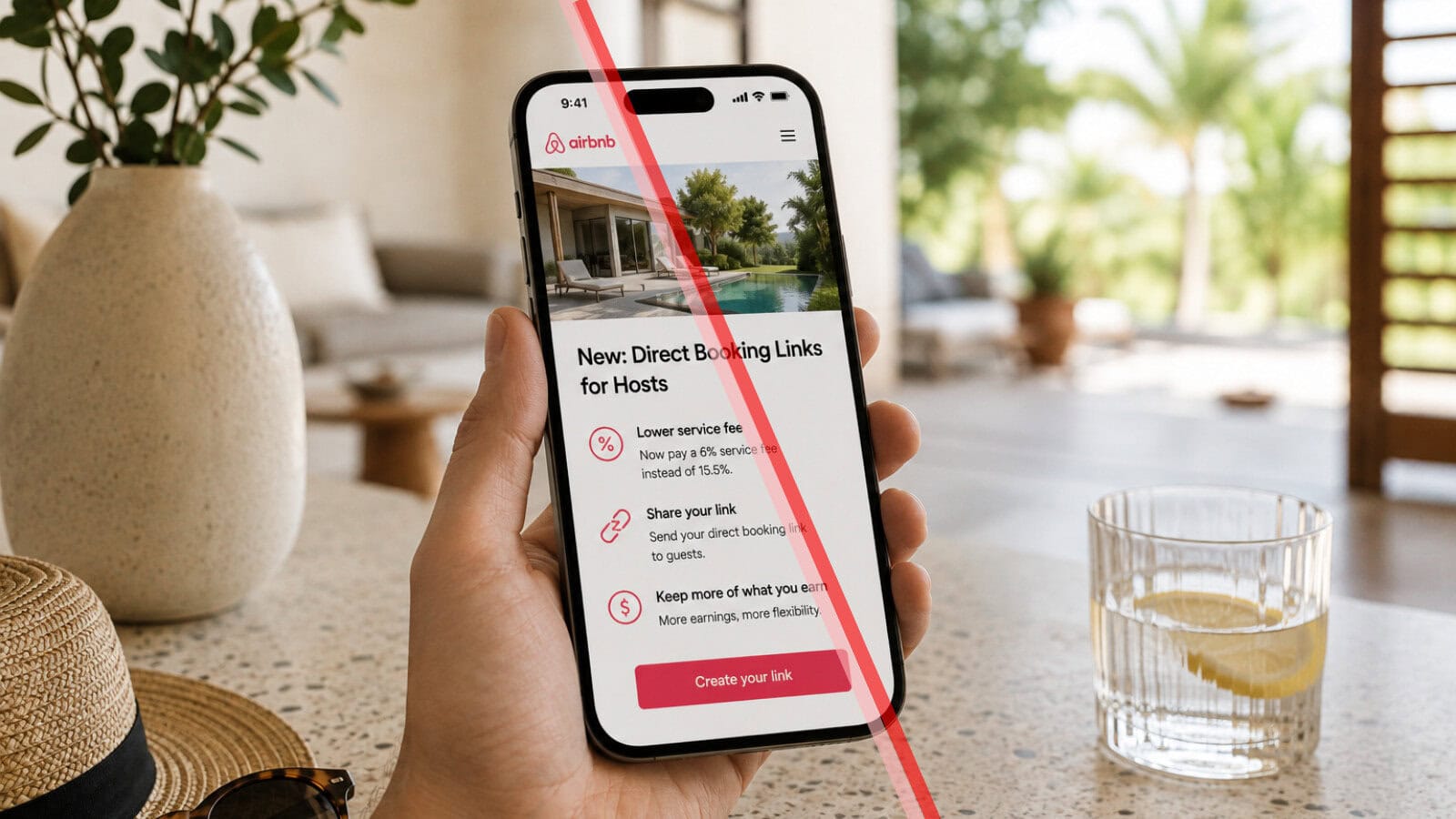
Airbnb’s New “Direct Booking Links” Cut Host Fees to 6%. They Also Reveal What Airbnb Charges Just to Find You a Guest
TL;DR: Airbnb is rolling out a direct booking link pilot that drops the standard 15.5% host fee to either 6% or 10% when hosts drive their own traffic. Despite being marketed as a direct booking link, the transaction still happens entirely on the platform, meaning Airbnb retains complete ownership of the guest relationship, data, and terms. The biggest takeaway is the unbundled pricing: By offering a 6% to 10% fee via this link, Airbnb has inadvertently revealed it values its demand-generation and guest-finding services between 5.5% and 9.5%.
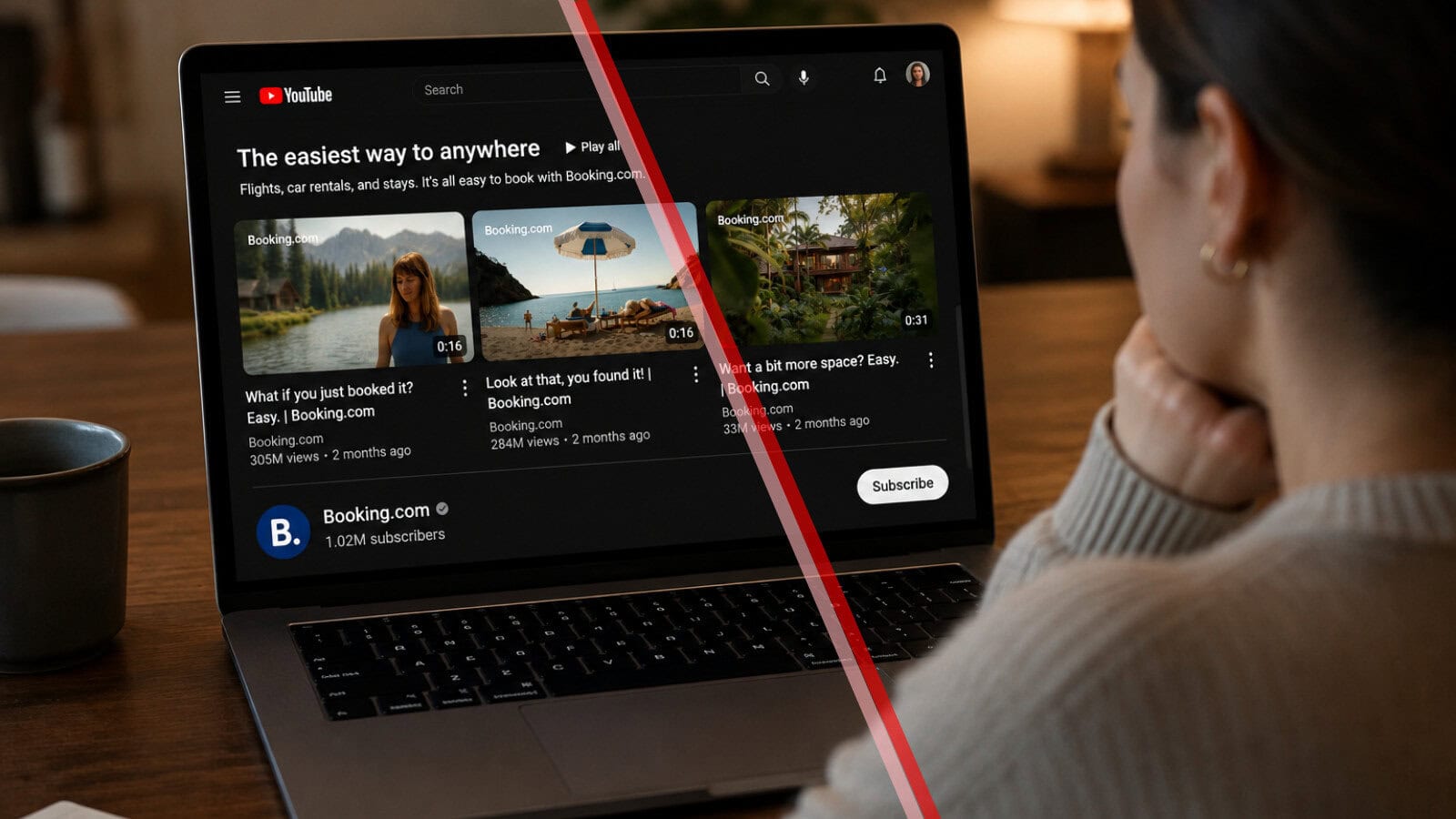
What New Booking.com Ads Reveal About Guest Tolerance for AI
TL;DR: Booking.com launched "The Easiest Way to Anywhere" on 8 June 2026, made by agency Zulu Alpha Kilo, and disclosed its AI use on screen, in the YouTube description, and in the agency's own announcement, which is considerably more than most advertisers currently manage. The transparency did not protect the work. Across every platform where audiences could respond, the most-liked comments objected regardless, and what they were objecting to turns out not to be the AI alone.

Clark County Shifts Liability to Platforms, Airbnb Challenges Salt Lake City, D.C. Considers Renter-Hosting Bill
TL;DR: Clark County, Nevada, has passed a measure prohibiting booking platforms from processing payments for unlicensed short-term rentals, shifting the compliance burden away from individual hosts. In Utah, Airbnb has issued a cease-and-desist letter to Salt Lake City over the municipality's use of decoy accounts to enforce its new zoning restrictions. Meanwhile, Washington, D.C., is weighing a bill that would allow renters to host and permit operators to license a second property, representing a potential expansion of the market's addressable supply.
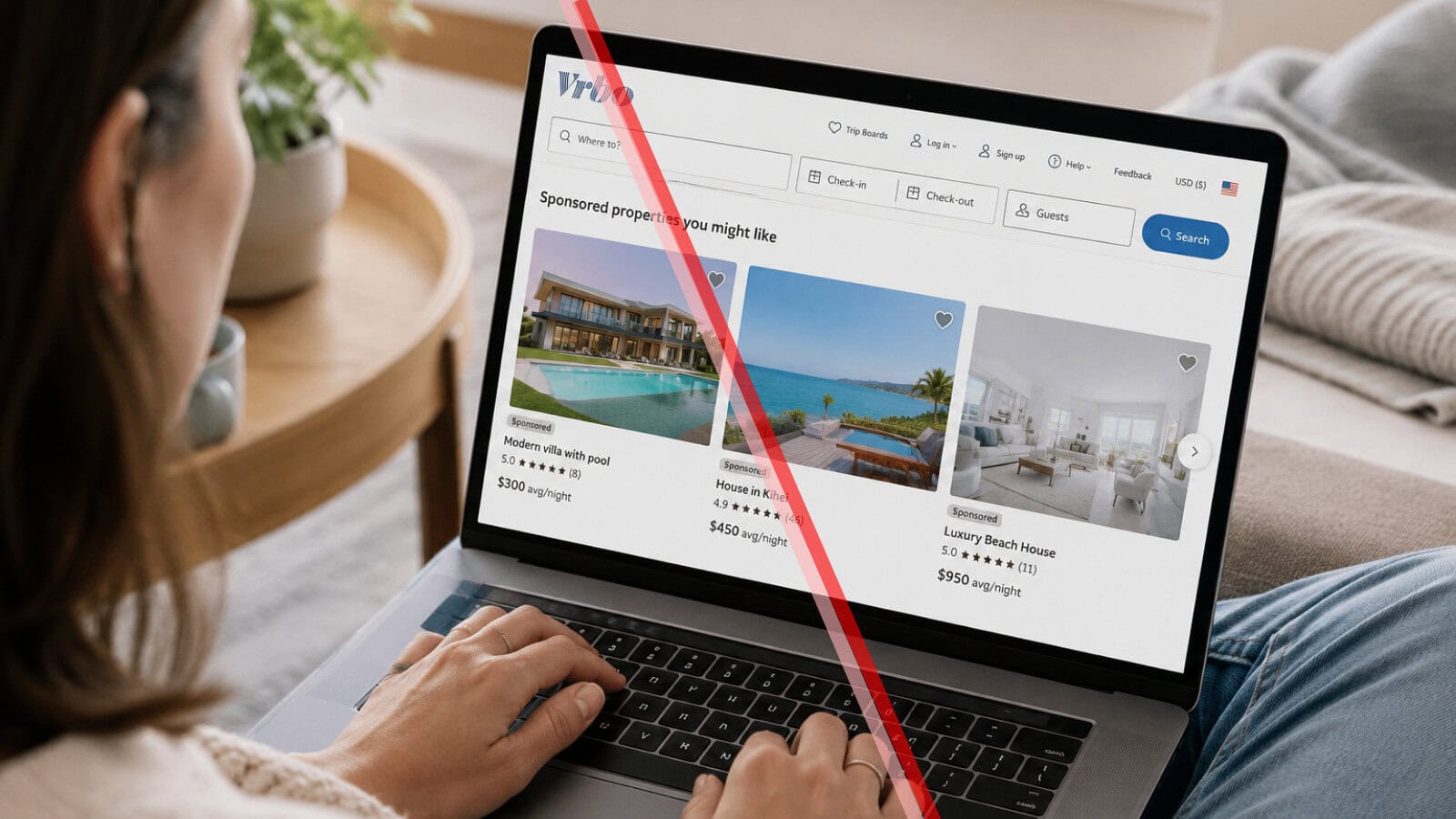
Vrbo Sponsored Listings Are Live: What It Means for Your Premier Host Strategy
TL;DR: Vrbo Sponsored Listings are live in the Expedia Group Advertising Portal. You set a bid, pick the travelers you want to reach, and your listing can appear above organic search results. You pay only when a booking comes through, not per click. If you spent 2026 chasing Premier Host status, this changes what that badge buys you. It still decides whether you show up in results. It no longer decides who sits at the top.

Federal court upholds New Orleans limits, Bali’s foreign investment block continues, New York City rolls out surcharge
TL;DR: On August 5, a federal appeals court upheld New Orleans' short-term rental ordinance, affirming the city's right to limit permits to one per block. In the Asia-Pacific region, Bali's block on new foreign investment licenses across 18 business sectors, including short-term rentals, remains in force as enforcement tightens. Meanwhile, New York City is preparing to issue its first wave of tax notices for a new surcharge on non-primary residences, adding another layer of financial consideration for second-home owners.
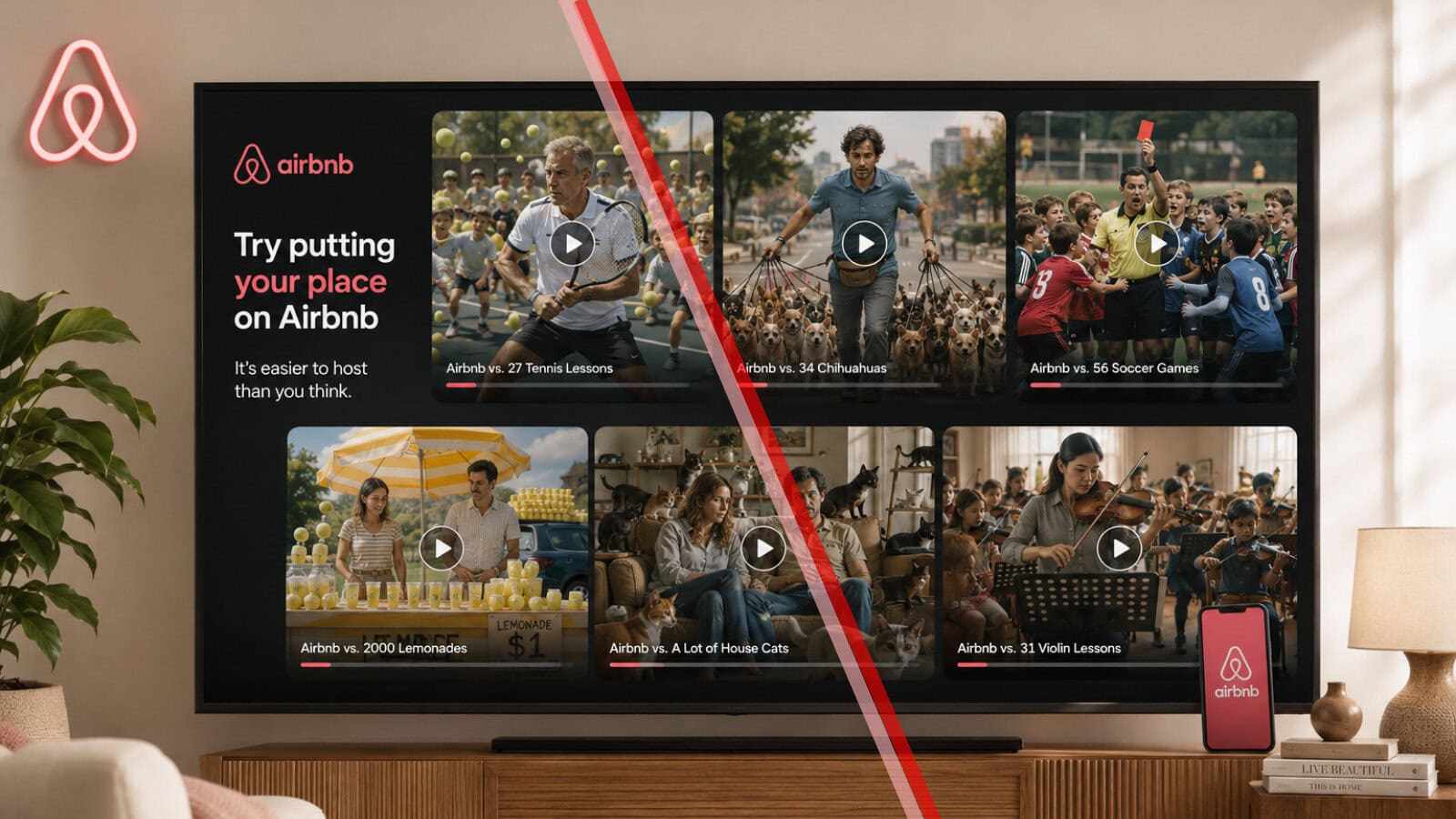
What Airbnb’s New Ads Tell Us About the Supply It’s Chasing
TL;DR: Airbnb has released five new adverts built on a single joke: to make around $2,000 in a week you could give 27 tennis lessons, walk 34 Chihuahuas or referee 56 soccer games, or you could list your place. The campaign line is "try putting your place on Airbnb." The joke is the least interesting part. The small print quotes earnings for two bedroom entire home listings, which tells you exactly which supply Airbnb is recruiting.
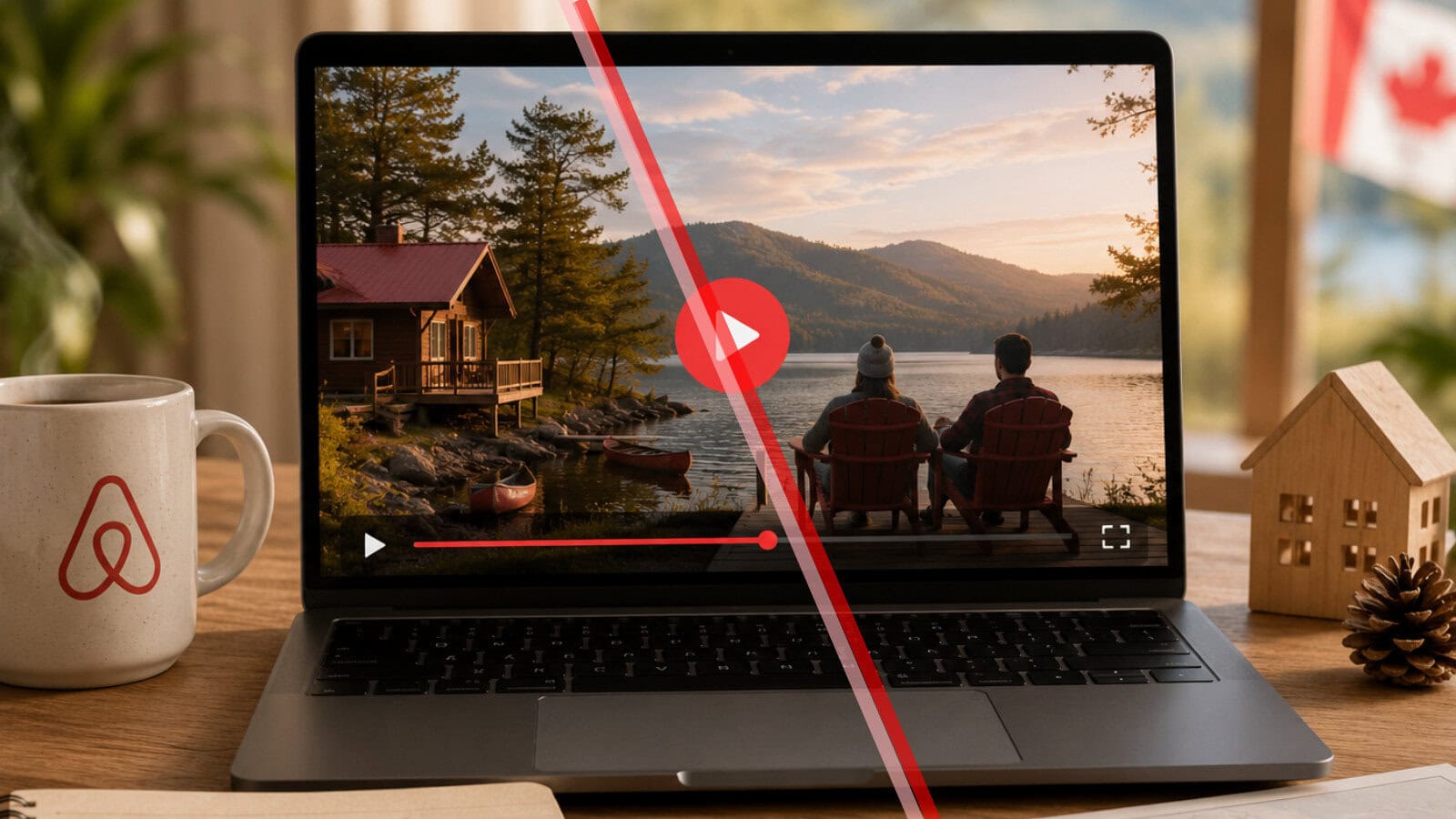
What Airbnb’s New Ads Reveal About Its Next Move in Canada
TL;DR: Airbnb has released four new ads featuring Canadian markets: Picton, Dunham, Kelowna, and Halifax. Each follows a local host showcasing independent businesses, under the line "with Airbnb, you book the neighborhood." None is set in Toronto, Vancouver, or Montreal, where short-term rental supply is capped hardest. With Canadians pulling travel spending out of the US, Airbnb needs somewhere to absorb that demand. The ads never mention price, the home, or hosting income, and that omission is deliberate.

Turkey targets online travel platforms, Japan allows “zero-day” limits, Florida city hikes rental fees
Turkey is advancing a bill to require major booking platforms like Airbnb and Booking.com to establish local representatives and pay a $104,000 permit fee, with potential restrictions on digital sales activities for non-compliance. In Asia, the Japan Tourism Agency is now allowing municipalities to impose "zero-day" operating limits on private short-term rentals in designated residential zones. Meanwhile, the St. Augustine City Commission in Florida unanimously approved fee hikes for short-term rental registrations and per-bedroom rates taking effect October 1.