
Short-term rental ordinances updates this week: Austin, British Columbia, and Scottsdale each moved on rules affecting operators. The week spans strict platform-level enforcement in Texas, a major data narrative in Canada, and a crackdown on party houses in a premier US tourism hub.
Austin Enforces Sweeping Platform-Level Verification
- As of July 1, 2026, regulations for online platforms hosting short-term rentals went into effect in Austin.
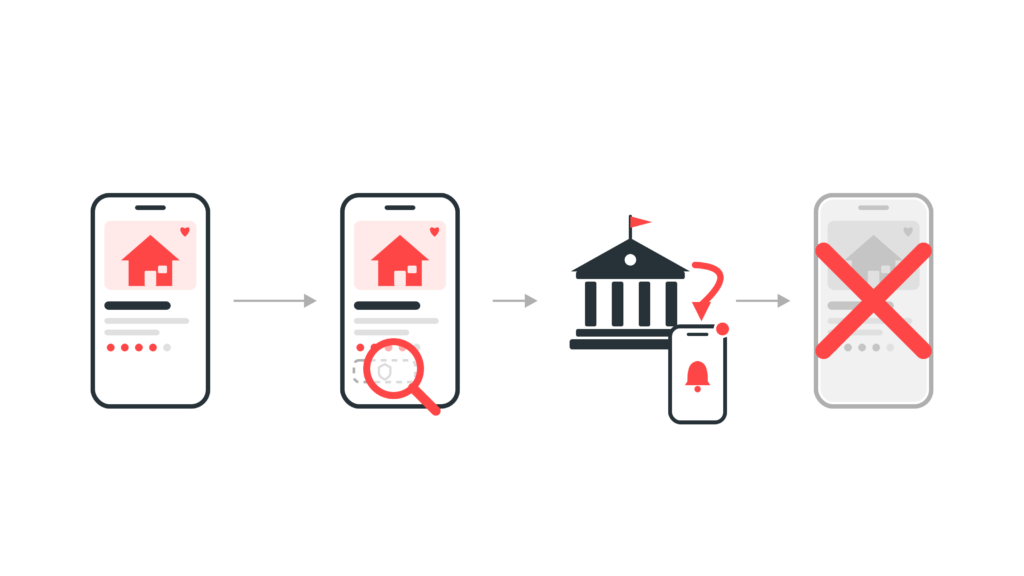
- Booking platforms are legally required to provide a license display field on all listings.
- Platforms must remove unlicensed properties within 10 days of a request by the city, and cannot collect booking fees on unlicensed listings. Violations carry fines of up to $500 per day for platforms and hosts alike.
- The rules were adopted by the Austin City Council in September 2025, giving operators a nine-month runway that has now closed.
- Operating without a license now poses a major risk of lost bookings and revenue as the city actively pursues delisting.
Read More: Short-Term Rental Ordinances: Mexico City, England, Cleveland
Uvika’s Views
- Targeting the Platform: Austin has stopped playing whack-a-mole with individual hosts. By forcing platforms to display license numbers and delist offenders, the city is making the OTAs do the policing.
- Revenue Risk: Operators who ignored the July 1 deadline are facing immediate delisting. Because the city will request the removal of these properties, hosts are risking a total loss of online distribution. Property managers must prioritize licensing above all else to maintain their revenue streams.
British Columbia Touts Rental Crackdown as Rents Drop
- In its statement on the July 2026 rental report, the British Columbia government highlighted rent decreases across the province, based on Rentals.ca asking-rent data.
- The province saw average asking rents fall 5.3% year-over-year, the largest decline of any Canadian province.
- Vancouver’s purpose-built rental asking rents have decreased by 18.5% relative to their peak in July 2023.
- Minister of Housing and Municipal Affairs Christine Boyle explicitly credited the province’s efforts to return short-term rentals to the long-term housing market as “instrumental” in driving this shift.

Read More: Vancouver Rejects Airbnb’s World Cup Push, Mexico City Rethinks Its Airbnb Law
Uvika’s Views
- The Data Narrative: Whether or not short-term rentals are the sole cause of the rent drop, the BC government is taking a political victory lap. They are using this data to validate their strict regulations. Notably, the same ministerial statement acknowledges that short-term rental supply across Metro Vancouver has remained strong, a tension the government does not resolve.
- An Exportable Blueprint: This is a major narrative threat for the industry globally. When politicians can point to an 18.5% drop from peak rents and publicly claim their short-term rental crackdown caused it, it provides a highly exportable, data-backed blueprint for other jurisdictions to pass similar bans.
Scottsdale Grants Police Power to Shut Down “Event Centers”
- On June 23, the Scottsdale City Council unanimously approved Ordinance No. 4719, which adds a formal definition of “event center” to the city code.
- Under the new ordinance, an event center is defined as any property used for organized gatherings tied to a commercial purpose, such as weddings, corporate events, or promoter-driven parties. A party advertised on social media or selling tickets for entry can now be classified as an event center. Ordinary residential gatherings, like a family birthday or holiday dinner, remain exempt.
- This gives code enforcement and police an explicit legal standard to shut down short-term rentals that cross the line into commercial event operations.
- Enforcement will run through the city’s existing short-term rental program, coordinating the police department, code enforcement, and the city attorney’s office.

Read More: Chicago Sues Airbnb, Kelowna Gets Provincial Exemption, Ireland Clarifies Planning Rules

Uvika’s Views
- Closing the Loophole: Arizona state law and Scottsdale city code already barred short-term rentals from operating as event venues, but without a clear definition, enforcement was difficult. Scottsdale has now closed this loophole.
- Operational Vigilance: The city is aggressively targeting properties advertised for ticketed parties or corporate events. This allows for immediate police intervention. For property managers, rigorous guest vetting is a non-negotiable operational standard. You must prevent these unauthorized events before they happen to protect your rental permit.
Stay on top of short-term rental regulation trends and what they mean for your operating environment.

Uvika Wahi is the Editor at RSU by PriceLabs, where she leads news coverage and analysis for professional short-term rental managers. She writes on Airbnb, Booking.com, Vrbo, regulations, and industry trends, helping managers make informed business decisions. Uvika also presents at global industry events such as SCALE, VITUR, and Direct Booking Success Summit.
Related Articles:
 Airbnb’s Vision for Fair Regulations in Spain and Elsewhere
 EU Signals Short-Term Rental Regulation as Part of Housing Crisis Response
 The May 20 EU Data Deadline: Should Property Managers Expect Mass Delistings?
 Los Angeles Eyes Olympics Airbnb Deal, Santa Ana Court Voids Ban, Saratoga County Imposes Registry and Tax