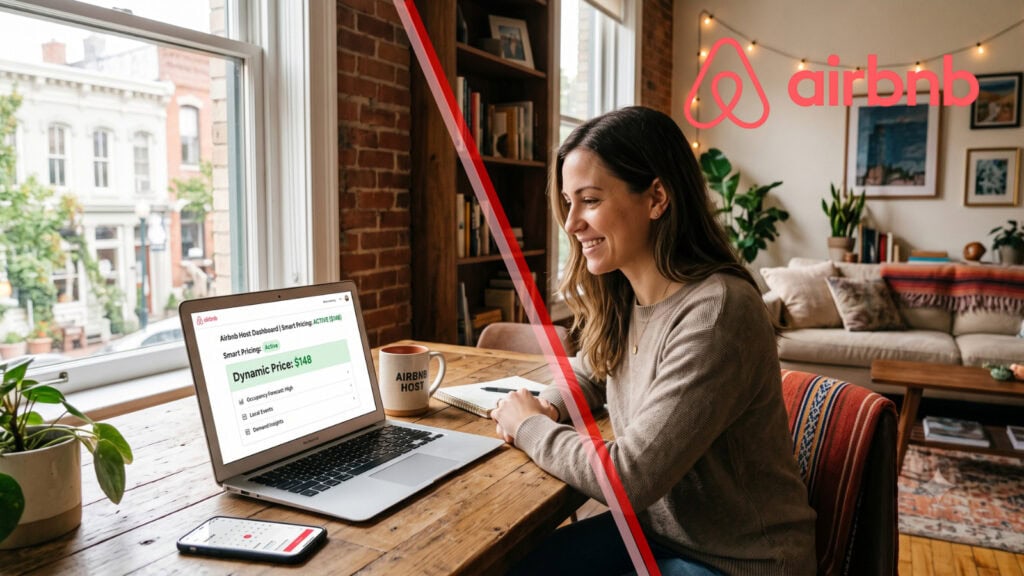
Airbnb is building an AI pricing model for hosts. Brian Chesky announced it on the company’s Q2 2026 earnings call on August 6.
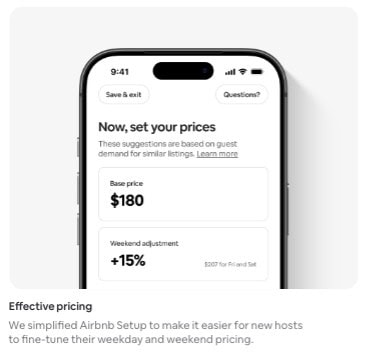
The model reads hotel rates, Airbnb rates, events coming to town and booking lead times, and turns them into a recommended nightly price. Hosts accept it with a single tap. There is no launch date and no product name yet. Chesky said it is being rolled out, which in Airbnb’s case usually means it appears in host accounts before it gets a formal announcement.
This piece covers what Airbnb described, how large a claim the company is making for it, and where a platform’s pricing advice and an individual operator’s interests line up or come apart.
What the model does
The inputs
In Chesky’s words, Airbnb is “able to take in a lot of data sources of hotel prices, of Airbnb prices, events coming to town, the nature of lead time bookings.”

He described the result as “an entirely new pricing model,” powered by AI.
What changes on the host side
- One-tap acceptance. “We’re going to be able to let them just tap a button and go immediately with our recommendations”
- Event coaching. “We can coach them on when events are coming to town, how they might want to change their pricing”
- Daily rate variation. Chesky treated pricing and calendar as the same problem, arguing that “the best way to price your home, like a hotel, is to have different prices on different days, and for those prices to be dynamically changed”
- A wider host-app rebuild. He called it “massive changes to the host side of our app,” noting most people only ever see the guest side
Chesky then set the ambition: “I don’t think anyone is going to be better than AI at doing this. I think that our models are going to be very, very powerful, and I hope in the future, hotels can even use that.”
Chesky made a bigger claim for pricing than for anything else on the call
Pricing against Reserve Now, Pay Later
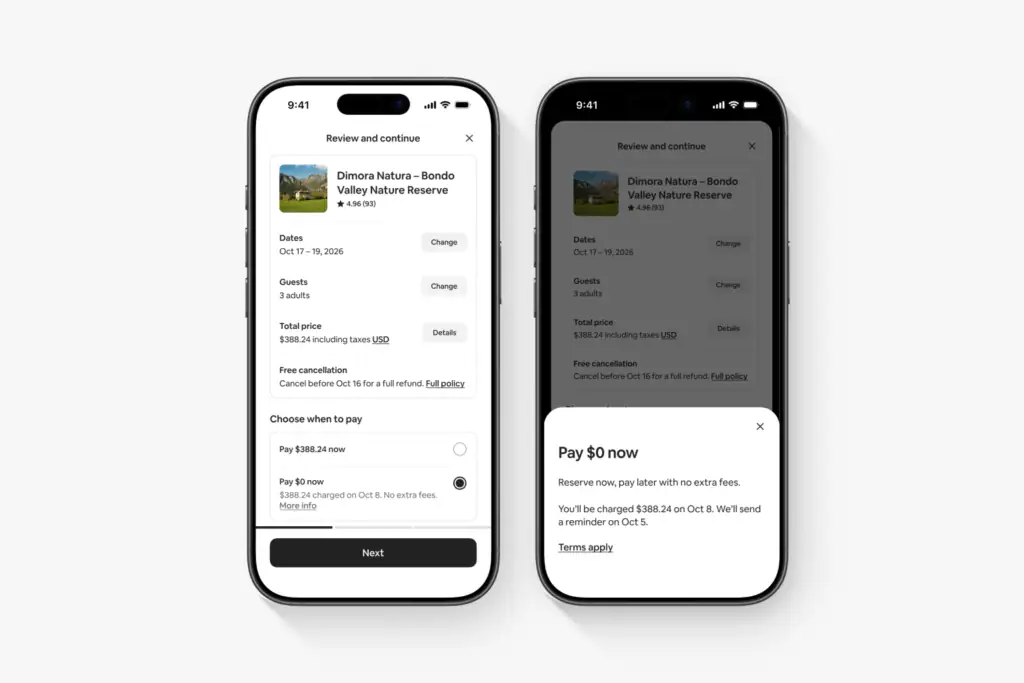
Asked about the personalised recommendations Airbnb sends hosts, Chesky said pricing is “one of the biggest single levers for growth that we have,” then went further: “it is, I don’t know, I don’t want to say a multiple, but many multiples bigger than RNPL.”
Reserve Now Pay Later accounted for more than 20% of everything booked on Airbnb last quarter. Saying pricing is several times bigger than that is the largest growth claim anyone made on the call, and it arrived in the middle of an answer about host tools.
The revenue he means is Airbnb’s
On Airbnb’s Q1 2026 call in May, Chesky said the payments and pricing roadmap “has the opportunity to deliver hundreds of millions of dollars in revenue each year,” with a full team assigned to pricing alone.
That is Airbnb’s revenue, not host earnings. Airbnb takes a percentage of what gets booked, so hundreds of millions a year to Airbnb means billions in extra bookings moving across the platform. Chesky is describing a marketplace-wide number. Whether any individual listing earns more is a different question, and not the one the growth claim answers.
Airbnb has been pushing hosts toward lower prices for years
This is not new, and the AI model is the most automated version of something Airbnb has been doing since at least 2023.
The discount-for-visibility trade
Airbnb does not sell advertising slots. What it has instead is a running practice of offering hosts better search placement in exchange for a lower price.
In February 2026, RSU reported on a test in which Airbnb asked selected hosts to offer a 20% discount in exchange for higher search ranking, with a badge and a strikethrough price attached. The host funds the discount. Airbnb supplies the visibility. We set that alongside what Booking.com and Vrbo are building in our piece on how listing visibility is becoming pay-to-play.
The logic is the same every time. ‘Cheaper’ listings convert better. Better conversion is worth more to Airbnb than a higher rate on a night that does not sell.
Airbnb’s own description of the advice
Ellie Mertz was asked about long-term pricing strategy and answered directly:
“In many cases, that means we encourage our hosts to bring their prices down. In some cases, it means we want to make sure that they’re not leaving money on the table.”
Many cases down. Some cases up. That is Airbnb’s framing of its own advice, not our characterisation of it.
The fee change points the same way. Mertz said the single 15.5% service fee has “a kind of downward pressure on pricing,” which she tied to delivering value to guests and keeping Airbnb priced competitively against other platforms.
Mertz also named the tension herself, calling it “one of the probably dissonant points over the last couple of years” that Airbnb has pushed affordability while nightly rates kept climbing. Her explanation is bedroom nights: guests are booking bigger homes, so rates rose because people bought more space. That holds up on the data, and it is also the argument that lets both claims sit together.
I don’t think platform-level and listing-level pricing are the same problem
The case for alignment
Airbnb takes a percentage of what gets booked. Lower prices mean a smaller cut per booking. So Airbnb has no more appetite for cheap listings than a host does, and its interests and yours point the same way.
That is a fair point and mostly true.
Where the two come apart
Airbnb gains when a price cut produces more than a proportional rise in bookings across the whole marketplace. A host gains only when it does so for their listing.
Airbnb does not care which listing takes the booking. If your rate drops, you get the reservation, and the place down the road sits empty, the platform’s numbers do not move. Yours do, and so do theirs.
Most of the time these two point the same way. They separate at the margin, which is exactly where revenue management does its work.
What Airbnb cannot see
Two things sit outside its data, however good the model gets:
- Your other channels. Rates and occupancy on Vrbo, Booking.com and your direct site, plus anything you are holding back for direct bookings
- Your business. Cost base, debt service, portfolio strategy, and the rate below which taking a booking stops being worth it
Airbnb sees what happens on Airbnb, which is a great deal. It does not see the rest of the operation the rate is meant to serve.
The recommendations are being sold as visibility, not earnings
This is the part worth watching closely.
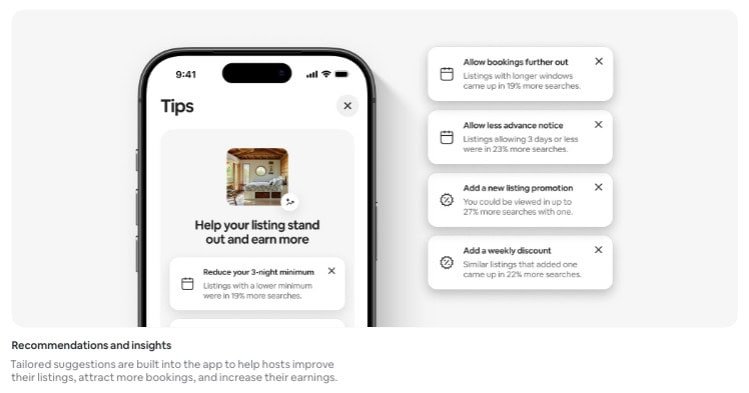
The shareholder letter shows how Airbnb frames its host nudges, and the framing is not about money. It is about search exposure: listings with longer booking windows appeared in 19% more searches, listings allowing three days or less notice in 23% more, listings that added a weekly discount in 22% more.
The pitch is not “you will earn more.” It is “you will be seen more.”
That is the lever hosts have least control over and most anxiety about, and it is the same lever the February discount test pulled. An AI pricing model plugged into that framing is not only a pricing tool. It is a way of connecting the rate you set to how often you appear, which makes pricing and ranking one conversation rather than two.
“We don’t price the listings” is true, and the gap is closing
Chesky was careful here, and the care is worth crediting:
“We don’t price the listings. The best thing we can do is show hosts that if they were to better price their listings, then they will make more money.”
Accurate. Hosts still set the number.
What is changing is the distance between a recommendation and a default. One-tap acceptance removes the step where you think about it. The proactive notifications described in the shareholder letter mean the suggestion arrives on its own rather than waiting for you to go looking.
What we are watching
Airbnb has published nothing on how the recommendations will be calculated. Three things to watch as the model lands:
- Whether a recommendation arrives with any explanation of what drove it, or just a number and a button
- Whether hosts who accept recommendations see a visible ranking benefit, which would confirm pricing and search placement as the same system
- Whether Airbnb ever publishes how accepted recommendations perform against rates hosts set themselves
RSU by PriceLabs is powered by, well, PriceLabs, which sells revenue management tools to short-term rental operators. Worth stating plainly in a piece about a platform building its own pricing tool. We have described what Airbnb said and what follows from it.

Uvika Wahi is the Editor at RSU by PriceLabs, where she leads news coverage and analysis for professional short-term rental managers. She writes on Airbnb, Booking.com, Vrbo, regulations, and industry trends, helping managers make informed business decisions. Uvika also presents at global industry events such as SCALE, VITUR, and Direct Booking Success Summit.