Airbnb’s new Japan ads target the young friend groups its US system screens as a party risk, a clear sign that Airbnb now picks a different guest, and different homes, in each country.
- What changed: On October 16, Airbnb Japan launched an 11-video campaign starring actor Ryoma Takeuchi and his former youth football teammates, aimed at Japanese travelers aged 18 to 29.
- Who it impacts: Managers of whole homes in regional Japan, and managers everywhere who use Airbnb’s local campaigns to read where its demand is heading.
- What to watch: The outdoor ads and documentary series due in November, and whether more Japanese municipalities adopt zero-night zones.
In the US, a group of young friends booking a whole house for the weekend is the kind of booking that sets off Airbnb’s party-screening system. In Japan, Airbnb just built an 11-video campaign around that exact guest.
That contrast says more than any single ad. Airbnb isn’t running one global pitch translated into local languages. It chooses a different guest, a different town and a different kind of home in each country, and its campaigns show managers where it is steering demand.
Airbnb’s Japan Ads Are Built Around Friend Groups Booking Whole Homes
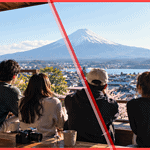
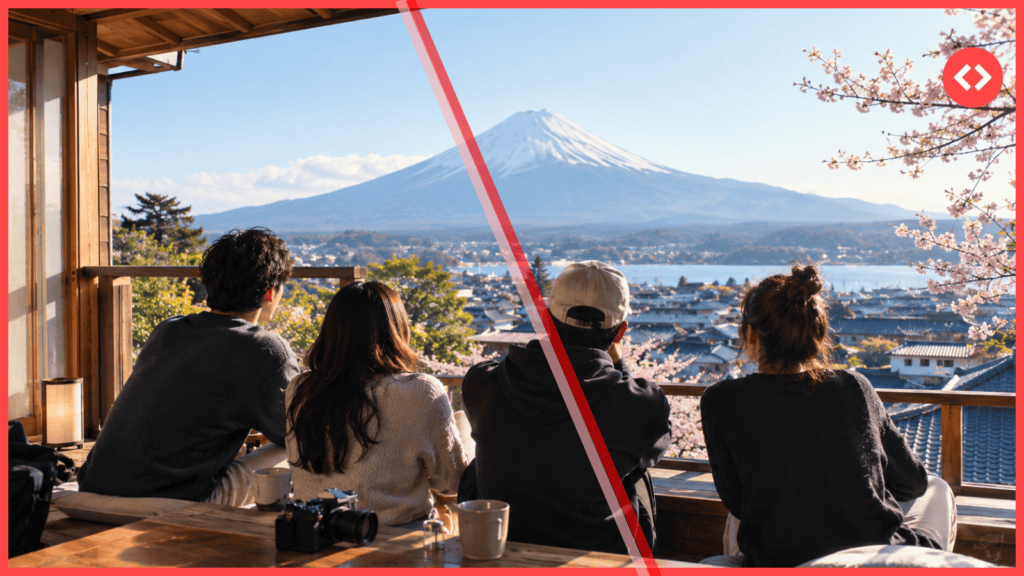
Every spot in the campaign, titled “What Happens on Trips Together,” shows one group of friends in one whole home, and each YouTube description links to the real listing. The homes are outside the big cities: Chiba, Katsuura, Hakone and a BBQ with Mount Fuji behind it.
The casting sells the same idea. Takeuchi, an actor recognized everywhere he goes, played in the youth academy of Tokyo Verdy (a J.League football club). In the lead spot, he reunites with his real teammates in a rental where, Airbnb says, even he can relax.

The language is local too. The ads use “Eabi,” the Japanese nickname for Airbnb, and turn it into a verb in the catchphrase “Meet up? Airbnb it?” The promise running through the campaign is privacy: in a whole home, nobody’s eyes are on you.
That is a very different message from the one Airbnb sends about the same guests in the US.
In the US, Airbnb Screens the Same Booking as a Party Risk
Airbnb made its party ban permanent in June 2022, and its screening system runs year-round, with extra measures on US holiday weekends. Over the July 4 weekend in 2025 alone, Airbnb says it blocked or redirected more than 20,000 people in the US from entire-home bookings its system judged a higher party risk.
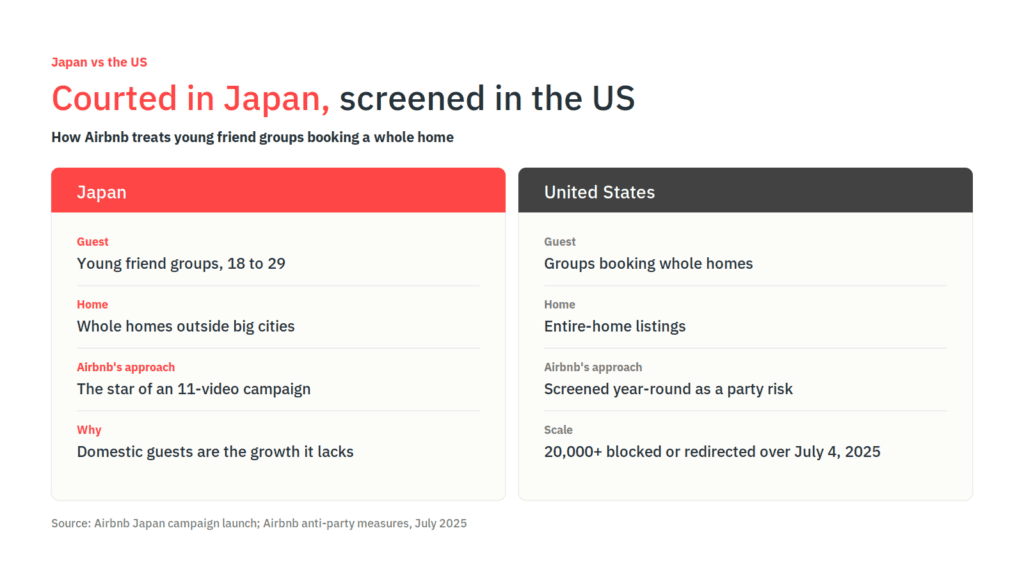
The Japan ads stop short of a party, but they show the same profile: a group of young friends, a whole home and a loud weekend of grilling. So why court in Japan the guest it filters in the US? Because in Japan, those guests are the growth Airbnb is missing.
Young Japanese Friend Groups Are the Guests Airbnb Hasn’t Won Yet
Airbnb’s business in Japan still leans on international visitors, and the campaign is aimed at closing that gap:
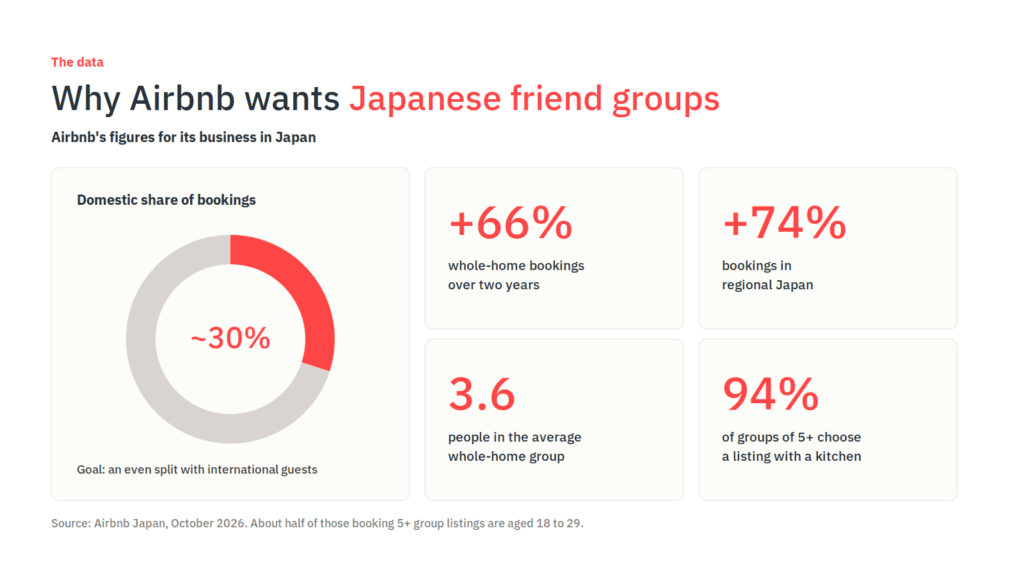
- Domestic guests: Japanese travelers account for only about 30% of Airbnb’s bookings in Japan. Airbnb Japan head Shintaro Nakagawa wants an even split.
- First-time bookers: Nakagawa’s top priority is winning Japanese travelers who know Airbnb but have never booked.
Airbnb’s data shows how these groups travel
- Whole-home bookings are up 66% over two years, according to Airbnb.
- Bookings in regional Japan are up 74%, and the average whole-home group is 3.6 people.
- 94% of groups of five or more choose a listing with a kitchen, and about half of the people booking those listings are aged 18 to 29.
The pandemic gave Airbnb a story to tell them
At the launch, Airbnb Japan cited a survey in which 61% of 18- to 29-year-olds said time with friends is the happiest part of their lives, even as they spend less of it together. Airbnb links that gap to the pandemic, which canceled school trips and graduations for this generation.
Selling them whole-home weekends works partly because Japan’s rules leave room for exactly that model.
Japan’s Rules Make Weekend-Only Whole Homes Workable
The key number for managers is 104. Friday and Saturday nights add up to about 104 nights a year, comfortably inside Japan’s 180-night cap, so a weekend-focused whole home fits the law:
- The 180-night cap: homes registered under the Private Lodging Business Act can be rented for at most 180 nights a year.
- Zero-night zones: since July, municipalities can cut that to zero in designated areas, under rules from the Japan Tourism Agency (the national tourism body).
- Complaints are the host’s job: by law, hosts must handle neighbors’ complaints, which center on noise and garbage, and the agency is considering clearer procedures for penalizing repeat problems.
That last point is the catch. One featured home has houses on either side, and if a friend-group weekend goes wrong, the neighbors’ complaints land on the host, not on Airbnb’s ad team. Japan is not the only market where Airbnb has shaped its pitch around local conditions.
Airbnb Runs the Same Local Playbook in France and Canada
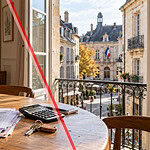
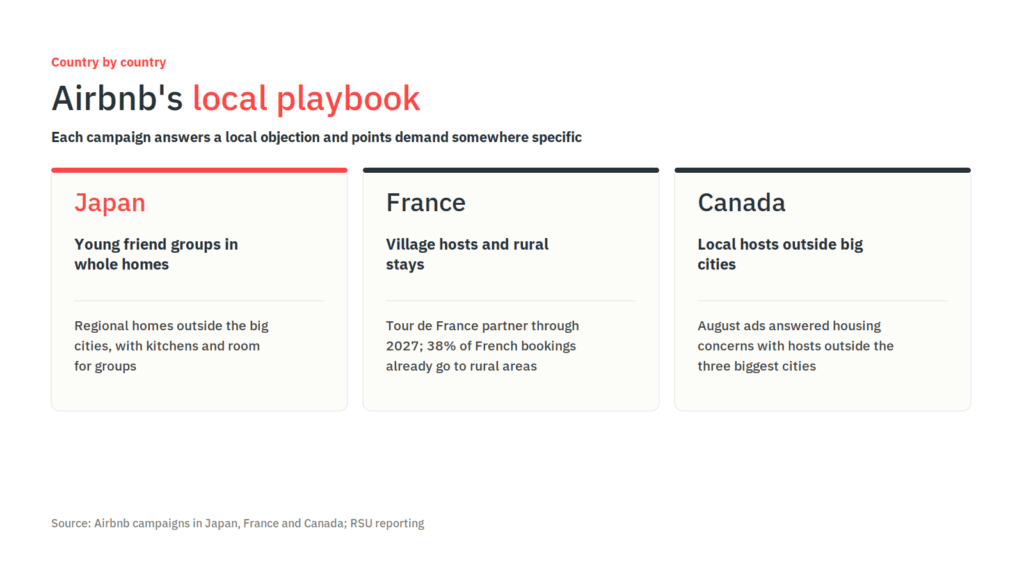
In France, Airbnb is an official Tour de France partner through 2027, works with the Association of Rural Mayors of France, and built its “Once Upon a Time in France” campaign on real village hosts. Like the Japan campaign, it steers guests away from the capital: Airbnb says 38% of French bookings already go to rural areas, as RSU’s Thibault Masson reported.
In Canada, Airbnb’s August ads answered housing concerns by featuring local hosts outside the three biggest cities, in markets whose rules already favor those hosts.
Each version answers a local objection, and each points Airbnb’s demand somewhere specific.
What Airbnb’s Japan Campaign Means for Property Managers
Outside Japan:
- Campaigns show which listings Airbnb’s ad money backs: whole homes with kitchens and room for groups in Japan, village homes in France, local hosts outside the big cities in Canada.
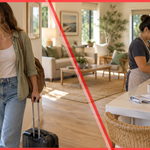
- Advertising and screening run on separate tracks. A booking Airbnb promotes in one country can still be screened in another. In the US, holiday group bookings are still redirected to private rooms and hotels.
In Japan:
- License type decides exposure. Zero-night zones apply to Private Lodging Business Act homes, not those licensed under the Hotel Business Act.
- Local rules can go further. Municipalities can now require noise meters and entrance cameras, and limit check-in times and guest numbers.
Airbnb’s ads no longer just sell the platform. They pick the guest, the town and the house, which makes each new local campaign one of the clearest signals managers get about where Airbnb’s demand is headed.
Frequently Asked Questions
What is the new Airbnb Japan campaign?
An 11-video campaign launched October 16, 2026, showing actor Ryoma Takeuchi and other friend groups in whole homes outside Japan’s big cities, aimed at Japanese travelers aged 18 to 29.
Does Airbnb allow parties in Japan?
No. Its party ban, permanent since June 2022, applies worldwide. The campaign’s weekends are lively but stop short of a party.
Can a whole home in Japan be rented every weekend?
Under the Private Lodging Business Act, yes in most areas: Friday and Saturday nights total about 104 nights a year, within the 180-night cap. In municipalities’ zero-night zones, Private Lodging Business Act homes can’t be rented at all.
Why are Airbnb’s ads different in each country?
Airbnb builds each campaign around that market’s guests, hosts and places: friend groups in whole homes in Japan, villages and the Tour de France in France, local hosts outside the big cities in Canada.
Subscribe to the RSU newsletter for weekly analysis for professional short-term rental managers.

Related Articles:
 Spain Investigates Airbnb for Unlicensed Rentals, Ex-Vacasa CEO Launches ‘Fairly’, Marriott Partners with Postcard Cabins & Trailborn
 Airbnb Makes Total Price Display Global—Here’s What It Means for Short-Term Rental Managers
 Athens Bans New Rentals Until 2026, Airbnb–FIFA Deal, New Fund to Support Advocacy
 Airbnb Earnings Protection Insurance: The Paid Fix for a Problem Airbnb Built